


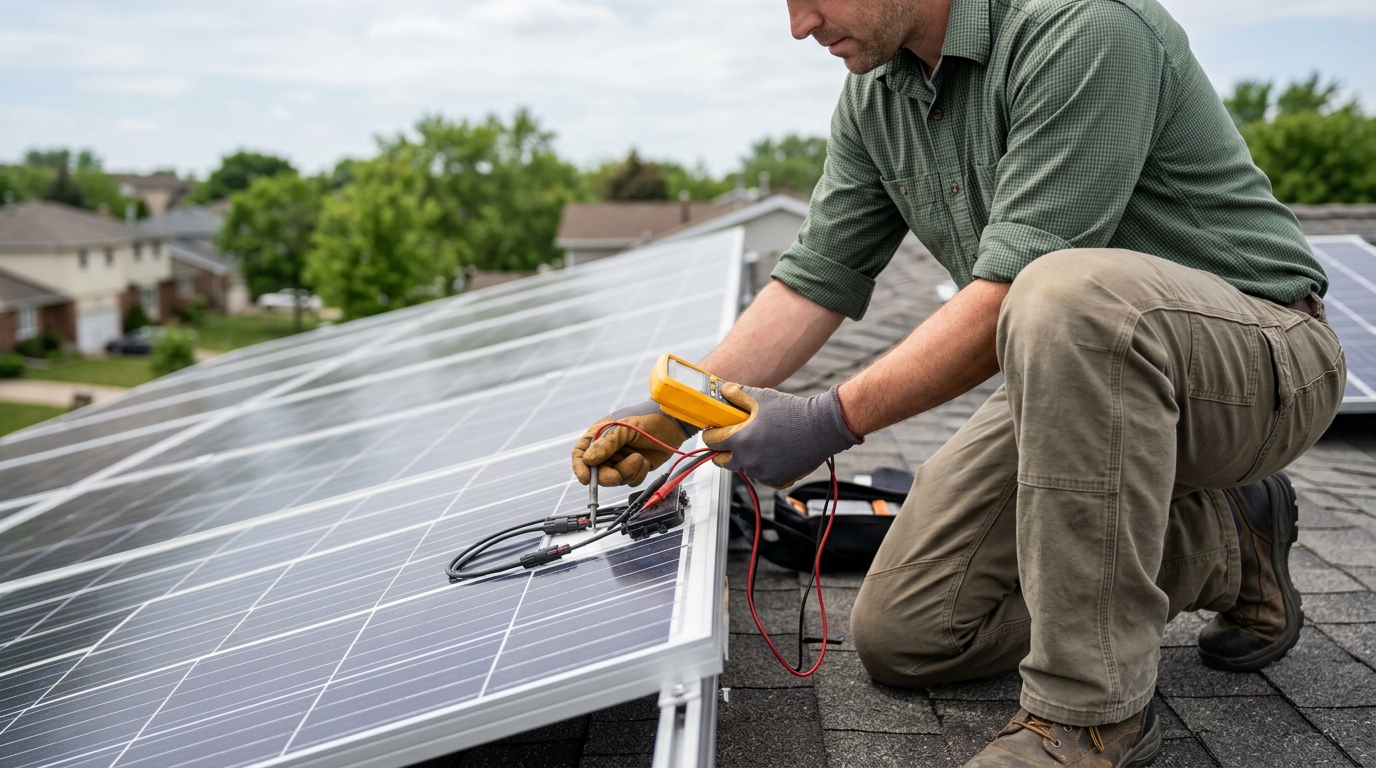
Your solar panels stopped performing the way they used to, and now you’re stuck wondering who you can actually trust to fix them. Not every technician who shows up with a truck and a ladder knows what they’re doing. That’s risky when expensive equipment is sitting on your roof. We’ve done the legwork to identify the best solar panel repair companies worth your time and money, plus what separates a reputable pro from someone who’ll cut corners.
How to Know Your Solar System Needs Professional Attention
Warning Signs vs. Normal Seasonal Fluctuations
Solar output naturally dips in winter and climbs in summer. That’s not a problem — it’s physics. But a sudden drop compared to your historical averages, say a 20% or 30% swing that doesn’t match the season, tells a different story. Pull up your monitoring app and compare month over month, not just against last week. If the pattern breaks sharply from your own history, something mechanical or electrical is likely at fault, not the weather.
Visible cracks, discoloration, or hot spots on the panel surface are never normal, no matter the time of year. A hot spot usually means a cell is failing and drawing power instead of producing it, which can shorten the life of the whole panel. Discoloration, especially yellowing or browning near the edges, often signals moisture getting behind the glass. Left alone, these small defects tend to spread.
Inverter error codes, flickering lights inside the house, or a buzzing sound near the equipment box deserve attention too. Inverters translate power between your panels and your home’s electrical system. When they start acting up, efficiency drops fast. Rising utility bills despite steady sunlight and a system that isn’t old enough to be degrading naturally are red flags too — if your panels are five years old and producing like they’re fifteen, something’s wrong. None of these issues fix themselves. Waiting usually just means a bigger repair bill later. And if your original installer has closed shop, leaving you with an orphaned system and no support line, don’t panic; reputable local technicians can still service most standard equipment, and it’s worth learning are solar panels worth it even after ownership changes hands. Homeowners juggling several efficiency upgrades at once, from attic insulation to LED light bulb replacement, often find it helpful to browse a broader library of home energy guidance, including posts on page 6 of ongoing conservation coverage, to see how solar issues connect to the rest of the house.
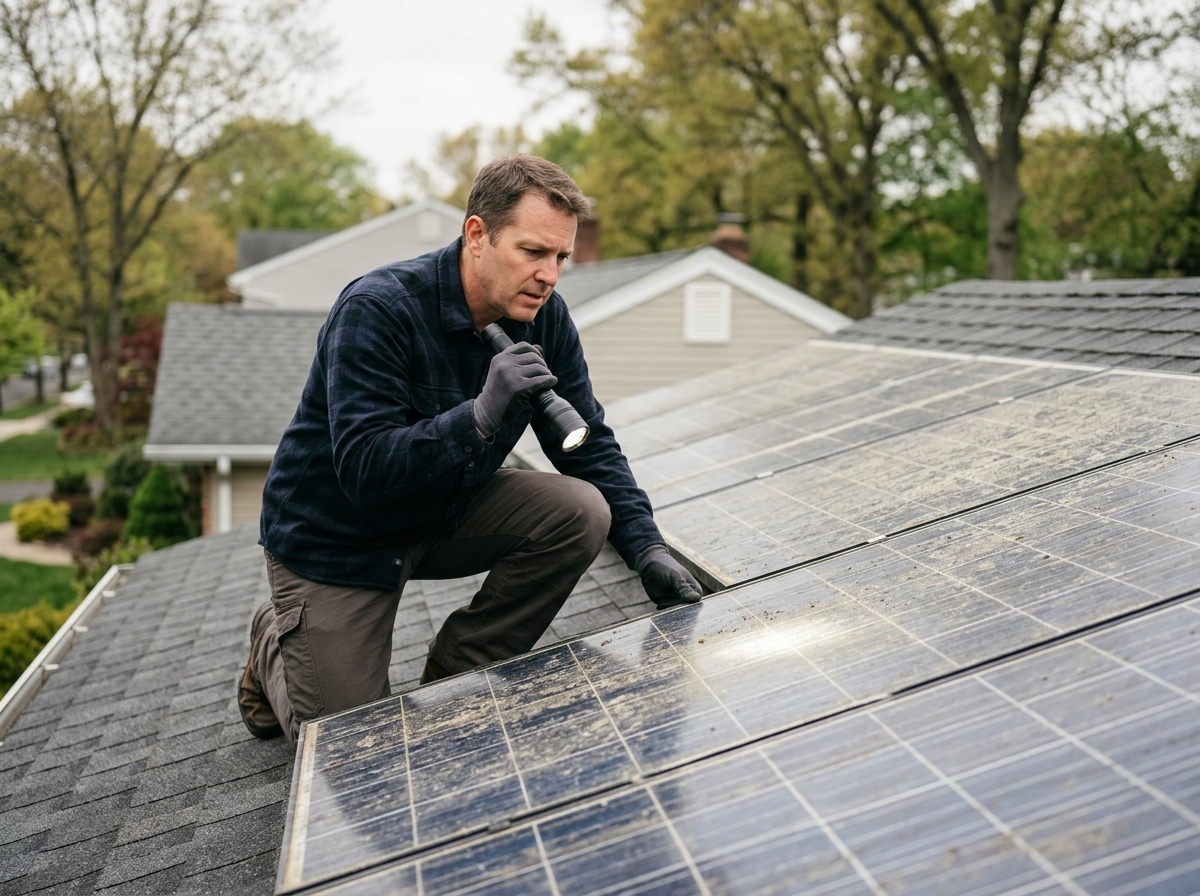
7 Best Solar Panel Repair Companies Compared
No two repair outfits work quite the same way. It helps to see them side by side before you pick up the phone. The table below ranks a mix of national chains, regional specialists, and smaller crews that focus on rescuing “orphaned” systems — panels left without support after the original installer closed shop or moved on.
What Each Company Specializes In
Some companies only swap out failed inverters. Others handle full panel replacement, roof penetration repairs, and everything in between. That distinction matters more than most homeowners realize, because a bad inverter can mimic the symptoms of dead panels. Knowing which type of company you’re calling saves you a wasted visit. A few outfits also bundle in broader home performance work — the same crews checking your array might flag issues better solved with attic insulation or updated weatherstripping elsewhere in the house.
| Company Type | Service Area | Specialty | Warranty Support | Avg. Response Time |
|---|---|---|---|---|
| National provider | Multi-state | Full panel replacement | 10-year workmanship | 5-7 business days |
| Regional specialist | Single state/metro | Inverter diagnostics & repair | Manufacturer pass-through | 2-4 business days |
| Orphaned-system rescue crew | Metro + suburbs | Legacy system troubleshooting | Case-by-case | 3-5 business days |
| Independent local contractor | Local county | Roof mounts & wiring repair | 1-2 year workmanship | 1-3 business days |
| Hybrid energy contractor | Regional | Panel repair + home energy upgrades | Varies by service | 3-6 business days |
Warranty and Service Guarantees
Warranty terms vary wildly, and that’s the part people skip reading. National providers tend to offer longer workmanship guarantees, but slower turnaround. Smaller crews move faster and often quote for free, though their warranty coverage might just be a pass-through of whatever the manufacturer offers. Ask directly: is the quote free, and how long is the guarantee good for? If your system was left orphaned, don’t assume a manufacturer warranty still applies. Those often void when the original installer disappears, which is exactly where regional rescue teams earn their keep. For homeowners specifically dealing with panel failures in Southern California, learning more about Expert Solar Repair Los Angeles options can clarify what local response times and warranty terms actually look like in practice. Turnaround time isn’t just about speed — it’s often a signal for how backed up, or how well-staffed, a company really is.
What Separates a Reliable Repair Company From the Rest
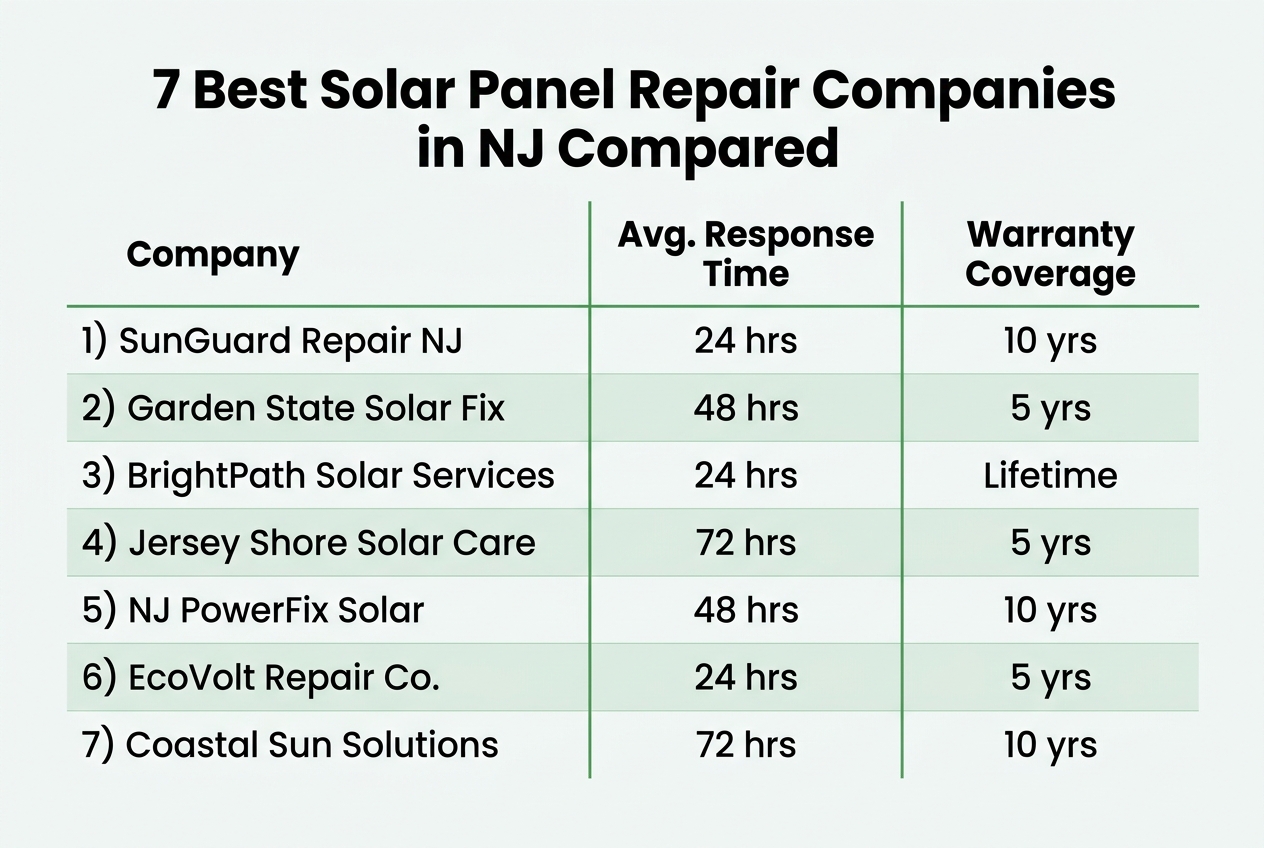
Not every crew that shows up with a ladder and a multimeter deserves your trust. Solar systems carry real electrical risk, and a sloppy repair can void your warranty or start a fire. Before you sign anything, you need a short list of hard questions. Think of it the same way you’d vet a company for light home repair — credentials and process matter more than a slick sales pitch.
Questions to Ask Before Signing a Repair Contract
A good technician won’t flinch at these. A weak one will get vague fast. Ask directly, and write down the answers:
- Do you employ licensed electricians and NABCEP-certified technicians, or do you subcontract the electrical work to someone else entirely?
- Will you run a full diagnostic — inverter output, panel voltage, wiring integrity — before quoting a repair cost, rather than guessing from a rooftop glance?
- Are you willing to service a system your company didn’t originally install, including older panels or discontinued inverter models?
- Do you use manufacturer-authorized parts and inverter replacements, or generic substitutes that could void the remaining equipment warranty?
- Can you provide a written warranty covering both labor and replacement components, with clear timeframes and exclusions spelled out?
- What happens if the same fault reoccurs within a few months — is a return visit free or billed again?
That last question separates the professionals from the opportunists. If a company hedges on warranty terms, walk away. For a broader look at what a trustworthy operation typically offers beyond repairs, our services page-style breakdowns from reputable local providers are worth comparing side by side. And if you’re outside your immediate area, resources covering Michigan Solar Repairs show how similar vetting questions apply regionally, since licensing rules and inverter standards shift state to state.
Residential Repair, Maintenance, and Replacement: Knowing the Difference
Not every solar problem needs the same fix. Maintenance is routine upkeep: panel cleaning, visual inspections, tightening loose mounts, checking connections. Repair targets a specific fault — bad wiring, a failing inverter, cracked glass, a rodent-chewed cable. Replacement is the big one, usually triggered by storm damage or panels that have simply aged out after 20-plus years of sun exposure. Knowing which category your issue falls into helps you budget correctly. It also keeps you from paying repair prices for what’s really a maintenance job, or vice versa.
Costs vary by region and system size, but here’s a general breakdown homeowners can use as a planning baseline.
| Service Tier | Typical Cost Range | Typical Timeline |
|---|---|---|
| Routine maintenance/cleaning | $150–$350 | 1–2 hours |
| Inverter repair or replacement | $600–$2,200 | Half day to 1 day |
| Wiring/electrical fault repair | $300–$900 | 2–4 hours |
| Single panel replacement | $400–$1,000 | Half day |
| Full system replacement | $15,000–$30,000+ | 2–5 days |
Timelines stretch quickly once permits, utility coordination, or backordered parts enter the picture. A cracked panel might get swapped same-day; a full re-roof-and-replace job can drag into a week or more. It’s a bit like deciding whether a leaky faucet needs a washer or a whole new fixture — small distinction, big price gap. That’s also why bundling matters: if a technician is already on your roof, ask whether nearby issues like attic insulation gaps or old caulking around roof penetrations are worth addressing at the same time. Homeowners dealing with a suspected gas leak near a rooftop unit should treat it separately and urgently — gas leak repair is not a wait-and-see service. When you’re ready to compare quotes, browsing listings of Solar panel repair professionals near you gives a quick sense of local pricing norms before you commit to a contract.
DIY Fixes vs. Calling a Professional
Tasks Homeowners Can Handle Safely
Some solar upkeep is genuinely low-risk, and doing it yourself can save you a service call. The trick is knowing where the line sits. Basic maintenance is fine. Anything involving wiring, inverters, or roof access is a different story entirely.
- Rinsing off dust, pollen, or bird droppings with a garden hose on a cool morning, never with a pressure washer that can crack glass or seals;
- Doing a visual scan from the ground for branches, leaves, or nesting debris that might be shading panels or clogging drainage gaps;
- Checking your monitoring app regularly for sudden output drops, which often signal a problem well before you’d notice it on a utility bill;
- Wiping down panels with a soft brush and plain water instead of harsh chemicals, which can degrade the anti-reflective coating over time;
- Logging performance trends month to month so you have real data to hand a technician if something does go wrong.
Electrical work is where DIY should stop, full stop. Solar arrays carry high DC voltage even when the grid is down, and rooftop work adds fall risk on top of that. Touching connections yourself can also void your system’s warranty outright. A loose connection or an inverter fault reading needs certified hands, no exceptions. Homeowners who attempt repairs themselves may also find their homeowner’s insurance won’t cover injury or damage that results, which turns a small fix into a costly mistake. If you’re weatherproofing your home more broadly, the same caution applies less to caulking or attic insulation, but far more to anything with a live circuit. For a broader sense of where else efficiency gains hide, this rundown of projects to improve energy efficiency is a useful starting point.
Beyond Solar: Other Home Energy Upgrades Worth Considering
How a Whole-Home Energy Approach Complements Solar
Solar panels handle generation. They don’t fix a house that leaks energy out the sides. That’s where a proper energy audit earns its keep — it identifies exactly where a home is wasting power, whether that’s a drafty attic hatch or a water heater running hotter than it needs to. Without that step, you’re producing clean energy just to pour it into a leaky bucket.
Once those weak points are mapped, attic insulation and weatherstripping become the next logical move. A poorly insulated attic can account for a huge share of heating and cooling loss, no matter how many panels sit on your roof. Sealing gaps around doors and windows with fresh caulking is cheap, fast, and it noticeably cuts strain on your HVAC system.
Appliance, water heater, and boiler upgrades matter too. An aging boiler or an inefficient water heater can quietly eat through the savings your solar array is supposed to deliver; in fact, a detailed water heater insulation guide is a good starting point if you’re not ready to replace the unit outright. Replacing outdated appliances often reduces consumption more than people expect, and it stacks nicely with solar production.
Gas leak testing and repair sit outside solar’s lane entirely, but they’re not optional. A cracked line or faulty connection is a safety issue, full stop, and no amount of clean energy generation changes that. Regular gas leak detection, paired with prompt gas leak repair when something’s found, protects the household in a way panels simply can’t.
Smaller fixes round out the picture. LED light bulb replacement, low-flow showerhead and aerator swaps, and general light home repair all chip away at utility bills in ways that add up over a year. And for income-eligible households, programs like NJ Comfort Partners offer these upgrades at no cost — worth checking before you assume any of this is out of reach. It’s also worth understanding Residential Repair distinctions, since knowing what counts as a repair versus a full replacement helps you budget realistically for the work ahead.
Getting Quotes and Evaluating Solar Panel Repair Companies the Right Way
Red Flags That Signal a Low-Quality Provider
Start with the quote itself. A vague, one-line number is a warning sign. You want an itemized breakdown that separates the diagnostic fee, replacement parts, and labor. Many local businesses bundle these together on purpose, hoping you won’t notice you’re paying twice for a truck roll. Ask for the line items in writing before any work begins. If a company hesitates or gets cagey, that’s your answer right there.
Response time matters more than most homeowners realize. A dead inverter or a cracked panel isn’t just an inconvenience, it can mean lost production for weeks while you wait for a callback. Compare how quickly each provider responds to an initial inquiry, and specifically ask what their emergency turnaround looks like. Some companies promise 24-hour response for urgent issues; others quote you a week out. That gap in Solar Panel Service and Repair availability should factor heavily into your decision, especially if your system feeds most of your home’s power.
Licensing and insurance aren’t paperwork formalities, they’re your protection. Verify the crew holds current local electrical licensing, general liability insurance, and manufacturer certifications for the panel brand on your roof. A tech without proper training can void your warranty just by touching the wrong connector. Also ask what happens after the repair. A reputable provider offers some form of follow-up inspection or monitoring, not a wave goodbye and an invoice.
Finally, read reviews with a critical eye. Plenty of five-star ratings praise a smooth installation but say nothing about repair quality years later. Search specifically for repair-related feedback, response consistency, and how disputes got resolved. It’s worth noting that a company’s broader reputation, including its about us page and history in the community, can tell you more about long-term reliability than a handful of glowing testimonials ever will.
Before you commit to a duct cleaning or sealing contractor, it’s worth asking where your conditioned air is actually going — a technician’s scope ends at the ductwork, but a drafty attic hatch, gaps around window trim, or thin attic insulation can quietly undo the gains you paid for. Ask for measurements rather than impressions: what the leakage rate is, how it was tested, and what portion of the loss is truly in the ducts versus the building envelope around them. That answer tends to reorder the priority list, and in many older homes the least glamorous work — air sealing with caulk and weatherstripping, then topping up attic insulation — is what makes everything downstream of it worth doing.
