


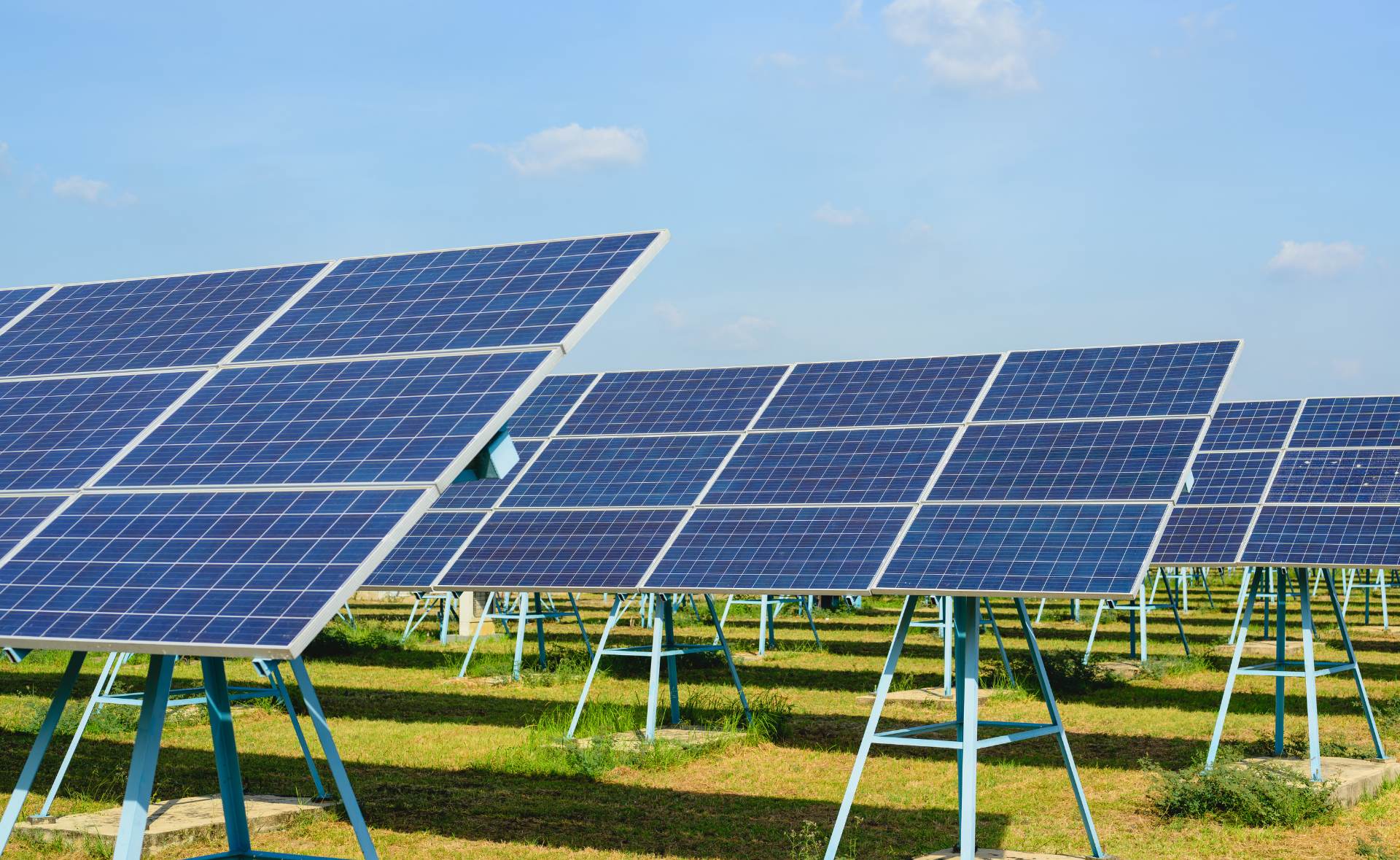
Solar panels have become an increasingly attractive option for homeowners looking to manage high electricity bills and minimize their carbon footprint. By investing in solar energy, many people experience significant energy savings and enjoy the benefit of a higher property value. It’s important to consider your specific circumstances, as solar energy may not be cost-effective if your electricity costs are already low or if installation expenses are prohibitively high.
Paying for solar panels involves various options, including cash payments, solar loans, and leasing agreements. The average cost for installation in the U.S. is approximately $16,000, but you can potentially reduce this amount significantly through federal tax credits. Additionally, net metering can provide further financial benefits by allowing you to earn credits for excess energy generated. Understanding these factors will help you determine if solar panels are a worthwhile investment for your home.
What Is Solar Power?
Solar power comes from an abundant and environmentally friendly source of energy—sunlight. It captures sunlight to generate electricity or heat, presenting a renewable alternative to fossil fuels. Solar panels, often placed on roofs, contain photovoltaic (PV) cells. These cells efficiently convert sunlight into clean energy, which can be used to power your household needs. This sustainable process provides heating, runs appliances, and helps reduce reliance on non-renewable energy sources, offering both environmental and economic benefits.
How Solar Panels Operate
Solar panels generate electricity when sunlight strikes the photovoltaic (PV) cells, leading to the absorption of solar energy. This energy incites electrons within the cells to move, which creates an electrical current. The initial current produced is in direct current (DC) form.
To make it usable for household needs, the DC electricity is transported through a conductive wire to an inverter. Here, the electricity is converted into alternating current (AC), suitable for powering your lights, appliances, and other systems. Proper installation of a solar system is crucial for efficiency, typically involving equipment rated in kilowatts depending on the system size and expected kilowatt-hour output.
Timing the Installation of Solar Panels
If you own your property and face steep energy bills, installing solar panels can be a smart financial move. When you’re able to secure panels without a hefty initial cost, they become even more appealing. Look for opportunities to utilize tax credits, incentives, and rebates to further enhance your return on investment. These financial benefits can significantly lower your payback period, helping you save on energy costs and recoup your investment faster.
What Are the Costs of Solar Panels?
When considering solar panels, cost is a primary concern. In the United States, a 5 kilowatt solar system typically costs around $16,000 before any available tax credits. Prices can vary greatly, with some systems exceeding $35,000. The total expense is influenced by factors such as your location, the size of your home, and the specific rates charged by your chosen solar installer.
Beyond the panels themselves, installation costs are a significant part of the financial investment. The price often covers a turnkey package that includes permits and labor. Additional components, like a home battery for backup power, can add considerably to the total expense.
Financing options are available to ease the upfront burden. You might consider a solar loan, which allows you to pay over time. Alternatively, solar leases and power purchase agreements (PPAs) offer different paths, where you might pay little to no upfront cost but agree to make regular payments based on the electricity generated.
In recent years, panel costs have dropped significantly. The Solar Energy Industries Association notes a reduction in costs by over 50% in the past decade. This makes solar energy a more accessible and appealing choice for homeowners looking to save on energy bills.
How Much Can You Save with Solar Panels?
Understanding the potential savings from solar panels involves evaluating both your initial expenses and the long-term benefits on your energy bills. When you install a solar power system, you make an upfront investment that can significantly reduce your electricity costs over time. The lifetime of most systems ranges from 25 to 30 years, and many homeowners find themselves recouping their initial investment within eight to 12 years.
Consider this typical scenario: You spend around $16,000 for the installation of solar panels. With the help of a 30% tax credit, your effective cost comes down to approximately $11,200. Post payback, if your monthly savings on your electric bill are about $100, that translates to $1,200 annually. Over 16 years, this can add up to a substantial $19,200 in energy savings.
Many homeowners also benefit from programs like net metering. This allows you to send excess energy back to the grid, potentially reducing your utility bills further. By supplying surplus energy, you often receive credits, which can help offset future charges from your utility company.
The variability of savings can stem from different factors. In some cases, panel performance may be hindered by issues such as suboptimal weather conditions or faulty equipment. For an accurate estimation of your solar panel system’s potential energy savings, consider consulting with a professional. They can assess local electricity rates, your average energy usage, and provide insights on the most efficient systems for your home. Additionally, checking customer reviews for solar companies and seeking recommendations can ensure you choose a reliable installer. This approach maximizes your investment and contributes to lowering your electricity costs over the long term.
Benefits and Drawbacks of Transitioning to Solar
Advantages of Adopting Solar Energy
Lower Carbon Emissions
By generating solar energy, you contribute to reducing carbon emissions and other harmful pollutants such as sulfur oxides and nitrogen oxides. Each kilowatt-hour of solar electricity produced helps offset these environmental impacts.
Energy Cost Reduction
While the initial cost of solar panels might seem significant, they offer substantial savings on utility bills over time. Installing solar panels can lead to less financial uncertainty by minimizing unforeseen high electricity costs.
Participation in Energy Programs
Many states offer programs like net metering, which allow you to earn credits for any excess electricity your solar panels generate and send to the grid. This can further enhance your energy savings.
Tax Credits and Incentives
Investing in solar panels can make you eligible for various financial perks. You can receive a 30% federal tax credit, and depending on your state, additional local incentives and rebates may apply, enhancing the economic value of your investment.
Disadvantages of Adopting Solar Energy
Significant Upfront Costs
The initial investment in solar systems can be steep. Although incentives and rebates can mitigate some expenses, they aren’t universally available, making the initial cost potentially burdensome depending on your location.
Dependence on Sunlight Availability
Solar panels require sufficient sunlight to function optimally. In regions with frequent severe weather conditions, you might not realize the full benefits of your solar investment due to limited solar exposure.
Potential High Costs for Installation and Repairs
Installing and maintaining solar panels can be expensive. While the systems are generally low maintenance, any necessary repairs can incur high costs, particularly if your chosen company doesn’t offer robust warranties or support.
Limitations on Financing Incentives
Even though multiple financing options exist for solar panel installation, not all of them qualify for incentives. For example, leasing solar panels might exempt you from certain tax credits and rebates, which could influence the cost-effectiveness of your solar investment.
Ideal Homes for Solar Panel Efficiency
Homeowners in states with higher electricity rates like Connecticut, Massachusetts, and California can greatly benefit from solar panel installation due to potential savings. Geographic location plays a crucial role, as locations with more sunlight exposure enhance efficiency. Larger home sizes often provide more rooftop space for solar arrays, increasing energy production and savings potential.
When Are Solar Panels Necessary for Your Home?
Significant Energy Expenses
If your electricity bills have been steadily increasing, it might be time to consider installing solar panels. By tapping into clean, renewable energy from the sun, solar panels can reduce your dependence on the local power grid. This change can provide substantial savings on energy expenses over time. Despite the initial investment associated with solar installations, the long-term financial benefits often outweigh the costs. This makes it a smart choice for homeowners burdened with high energy bills.
Residing in a Solar-Friendly Region
Living in an area with plentiful sunshine makes solar panels a more compelling option. States like California, Massachusetts, and Oregon provide conditions that enhance solar panel effectiveness due to their many sunny days. In these regions, homeowners have the advantage of generating more electricity, which not only cuts costs but also promotes sustainable living. Additionally, residing in states with favorable renewable energy incentives, such as North Carolina and Connecticut, can increase the value proposition of installing solar panels. This can lead to increased property value and the satisfaction of reducing your carbon footprint.
These geographic advantages allow you to maximize the efficiency of your solar system, ultimately contributing to both environmental responsibility and economic savings. By harnessing solar energy, you play a part in fostering a cleaner, more sustainable future.
Do Solar Panels Boost Your Property Worth?
Installing solar panels can raise your property’s value by approximately 4%. While there’s an initial investment involved, solar systems are often attractive to potential buyers. Some evidence suggests that homes equipped with solar panels may sell more quickly than others, offering an advantage in the real estate market.
Key Considerations for Solar Panel Installation
When deciding if solar panels are a good fit for your home, a few critical factors should be assessed. Uninterrupted sunlight exposure is necessary for an efficient solar energy system. Ensure that your home has a clear view of the Southern sky, free from obstructions like tall buildings or trees that can impede sunlight.
The size of your solar installation is another crucial point. Larger homes aiming to compensate for the entire electricity consumption will require a bigger array of panels, which can increase the initial investment.
Electricity rates in your area also play a role in determining cost-effectiveness. Knowing these rates helps you gauge potential savings from solar energy.
Whether you decide to ** lease or buy your system** will affect the benefits you receive from tax incentives. Ownership enables homeowners to take advantage of various tax rebates and credits, including federal and state incentives. These incentives are unavailable to those who choose to lease their panels.
Lastly, consider the frequency of power outages in your area. If your locality experiences frequent outages, investing in a backup battery system could be beneficial, though it does entail additional costs. This backup can store excess energy to ensure a consistent power supply during downtime.
Key Takeaway
If you’re looking to embrace a more environmentally friendly lifestyle and live where sunlight is abundant, investing in solar panels can be beneficial. Not only can they reduce your carbon footprint, but they can also allow you to sell any extra energy back to the grid.
Although the initial costs of setting up solar panels have become more affordable over the past decade, keep in mind that maintenance costs may still present a challenge for some homeowners. It’s important to evaluate whether solar energy is suitable for you, and finding the best installers in your area is a crucial step in this process.
To simplify your search, consider connecting with a network of trusted professionals who specialize in solar installations. By doing so, you ensure that your solar energy system, panels, and electricity needs are handled by experts. Making this move can pave the way for a cleaner, energy-efficient future while potentially saving you money in the long run.
Common Questions About Solar Panels
Do Solar Panels Really Help You Save Money
Your location plays a significant role in determining savings from solar panels. Solar exposure and local electricity costs are key factors that can affect the value you’ll derive from a solar energy system. Generally, homeowners in areas with high utility rates and substantial sunlight stand to benefit the most financially from installing solar panels.
What Are the Challenges of Having Solar Panels Installed?
Just like any immovable installation on your property, solar panels require long-term care. Regular cleaning and maintenance are essential for ensuring that your system remains efficient. Additionally, if you finance your solar panels, you’ll need to take into account the ongoing financing payments over time.
How Long Before Solar Panels Cover Their Cost?
The time it takes for solar panels to pay for themselves, known as the payback period, depends on several factors. These include the upfront cost after rebates and incentives, local electricity prices, and ongoing maintenance expenses. Generally, a typical payback period ranges from six to ten years.
Is Selling a Home With Solar Panels More Difficult?
Whether having solar panels makes selling a home more challenging can vary by location. In some markets, they are viewed as attractive features, especially if the system is owned rather than leased. Engaging with a local real estate agent can provide insight into how solar panels are perceived in your specific housing market.
