


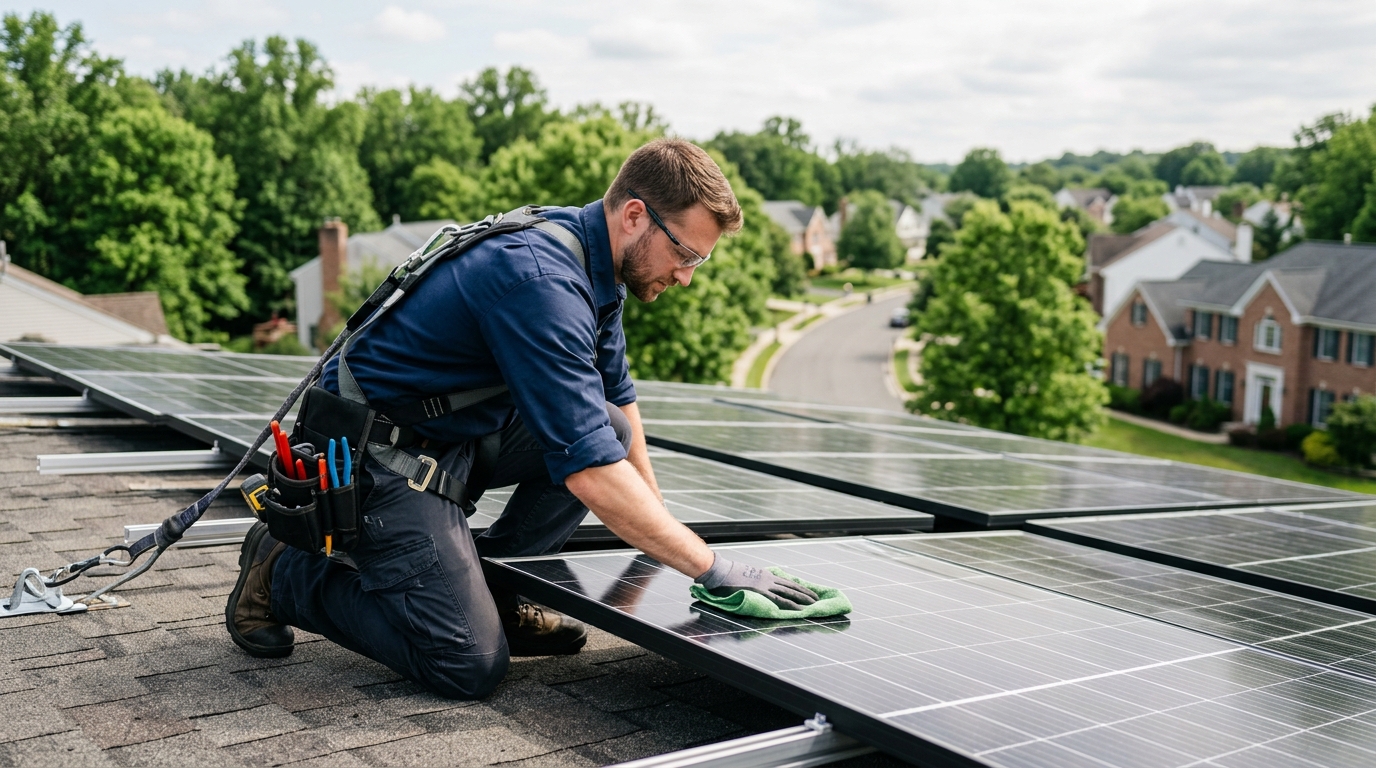
You’ve made the leap to solar, but nobody handed you a real number for what happens after installation day. Panels don’t run forever without attention, and pretending otherwise can cost you. This guide breaks down actual solar energy maintenance costs for 2026, so you can budget with confidence instead of guessing. No surprises. Just the numbers you need.
Solar Energy Maintenance Costs: What to Expect Each Year
Typical Annual Spend by System Size
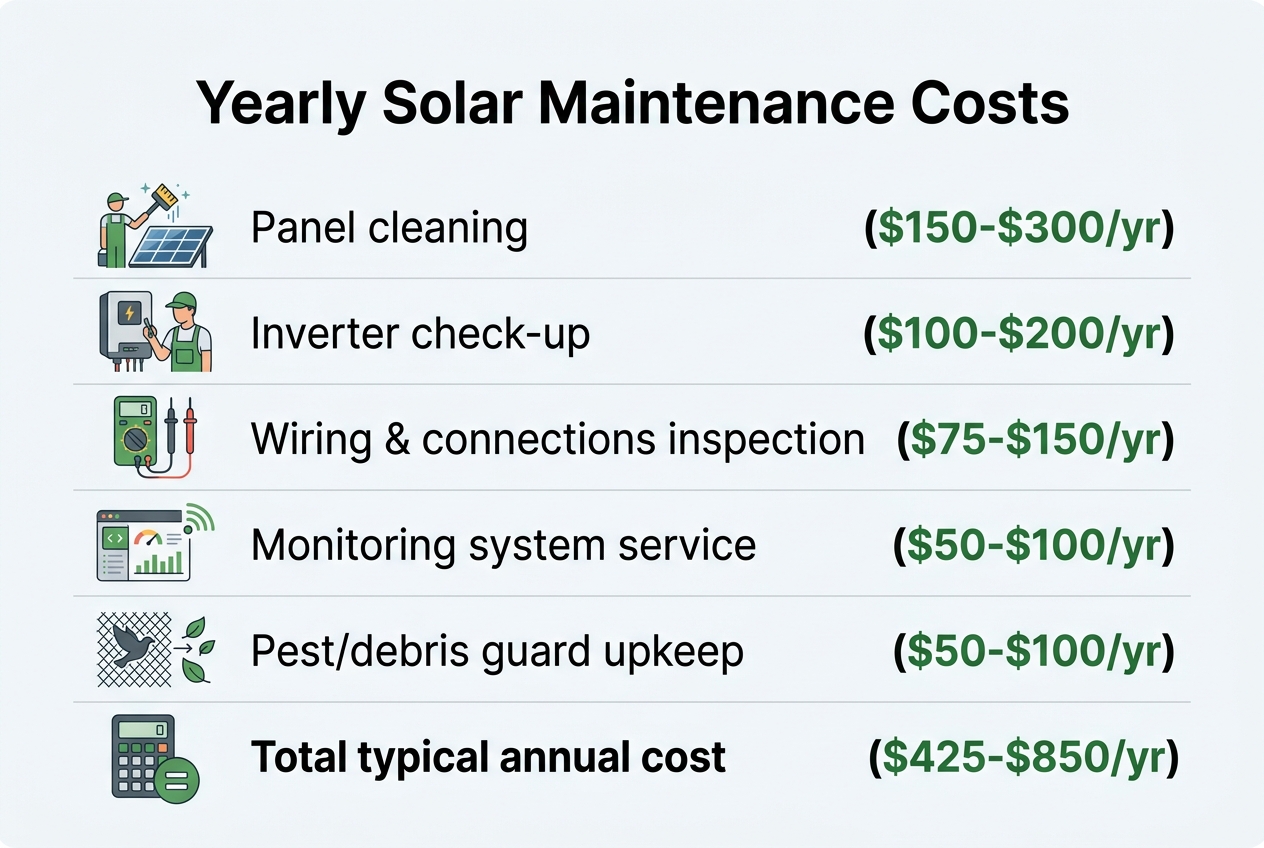
Most homeowners spend somewhere between $150 and $850 a year keeping a solar array in good shape. Where you land in that range depends on system size, panel age, and whether you’re due for anything beyond routine care. A small rooftop setup on a newer home might sit near the bottom. A larger, older system with more square footage to clean and monitor will push toward the top.
That spending splits into two buckets. There’s routine care — cleaning, visual inspections, checking wiring and mounts — which is cheap and predictable. Then there are the occasional bigger-ticket items: inverter servicing, panel repairs, or replacing a part that’s simply worn out. Routine care is the bulk of what you’ll pay, and it’s the part you can budget for without much guesswork. The bigger repairs happen rarely, but they’re the reason that $150-$850 window exists instead of a flat number.
Think of it like changing your car’s oil versus replacing a transmission. One’s a certainty every year. The other’s an occasional cost you plan for but don’t expect often. Solar works the same way, and honestly, once you know that pattern, budgeting gets a lot less stressful.
Why Maintenance Costs Are Lower Than Homeowners Expect
Here’s the good news: solar is genuinely cheap to maintain compared to almost anything else in your house. No motors, no combustion, no moving parts to wear out. A furnace or central AC unit needs yearly tune-ups, filter changes, and eventually a replacement that can run thousands of dollars. Solar panels, by contrast, mostly just sit there and work — and that upside of minimal upkeep is one reason payback timelines hold up so well over 25 years.
Over a system’s full lifespan, solar maintenance typically costs a fraction of what you’d spend on HVAC repairs, water heater replacements, or appliance breakdowns during the same stretch. If you’re still weighing whether the investment makes sense, it helps to look at whether solar panels are worth it once you factor in decades of comparatively low upkeep.
Location, roof type, and system age are the real swing factors. Coastal homes deal with more grime and salt air. Steep or hard-to-access roofs cost more for a technician to service. Older systems simply need more attention than ones installed last year. None of that changes the big picture, though — solar still beats most home systems on lifetime cost. For more on what shapes those numbers month to month, this ongoing collection of home energy guidance covers related upkeep topics worth a read.
Breaking Down the Individual Maintenance Expenses
Routine Care Tasks and Their Price Ranges
Once you get past the annual budget headline number, the real question is where the money actually goes. Solar upkeep breaks into a handful of recurring tasks, each with its own price tag depending on your roof size, panel count, and how dirty your local air gets. Pollen season in the Northeast alone can justify a second cleaning. Here’s a realistic snapshot of what each task tends to cost.
| Task | Typical Cost | Frequency |
|---|---|---|
| Professional panel cleaning | $150–$300 per visit | 1–2 times a year |
| Visual and performance inspection | $100–$300 | Annually, often bundled with cleaning |
| Electrical component checks | $75–$200 | Annually |
| Minor repairs (mounts, sealant, wiring) | $100–$400 | As needed |
| Pest guard installation | $150–$500 | One-time |
Cleaning is the one you’ll pay for most often. Heavy debris, bird droppings, or a run of dry pollen-heavy weeks can knock output down noticeably, so twice a year is common in wooded or high-pollen areas. Inspections usually piggyback on that same visit, since a technician is already on the roof anyway — it’s efficient, and it’s cheap insurance against catching a wiring fault late. If you want a broader sense of how these numbers shift outside the Northeast, this breakdown of Solar Maintenance Costs for California Homes is a useful comparison point.
Electrical checks matter more than they sound. Loose connectors and degraded monitoring hardware are quiet failures — you won’t notice until your production numbers drop. Minor repairs, meanwhile, are the fix-it-now-or-pay-more-later category: a $150 sealant job today beats a $2,000 roof leak repair next spring. And don’t underestimate pests. Squirrels and birds nesting under panels chew wiring and void warranties faster than almost anything else on this list.
Major Repairs and Replacement Costs to Plan For
Inverter Lifespan and Replacement Budgeting
Every solar system has a weak link, and it’s usually the inverter. This is the box that converts the DC power your panels generate into AC power your home can actually use. Panels tend to outlast almost everything else on the roof, but inverters typically need replacing every 10 to 15 years. When that day comes, expect a bill somewhere between $1,000 and $2,500. That’s a big number to see all at once, so it’s worth setting aside a little each year rather than getting blindsided.
Budgeting for this is really no different than planning ahead for a boiler or water heater swap. You know it’s coming eventually, so treating it like a scheduled expense rather than an emergency makes the hit far less painful. If your system is nearing the 10-year mark, it’s smart to start reading up on best solar panel repair companies now, before you’re scrambling during a production drop. String inverters are the cheaper, more common replacement. Microinverters cost more upfront but fail less often as a group, since each panel operates independently.
When Panel or Electrical Failures Drive Up Costs
Individual panel damage, from hail, falling branches, or just age, runs $300 to $1,000 per panel, depending on how bad the damage is and what labor rates look like in your area. Electrical components like combiner boxes and disconnect switches are smaller but still add up, typically landing between $200 and $600 when they fail. These parts don’t get much attention until they stop working, and then suddenly they’re the only thing you’re thinking about.
Roof leaks caused by panel mounting hardware are the expense nobody budgets for. Repairs here range from $500 to $3,000, and the cost climbs fast if flashing wasn’t installed correctly the first time. If you’ve added battery storage, factor in maintenance or eventual replacement too, generally $500 to $2,000 or more depending on battery chemistry and capacity. For a fuller breakdown of how these pieces fit into your annual costs, this guide on solar maintenance costs lays out realistic ranges homeowners actually see. Honestly, ignoring small electrical warnings is how a $200 fix turns into a $2,000 one. Pairing solar upkeep with broader home efficiency work, like attic insulation or sealing drafts through caulking, also helps your system run leaner overall, and it’s worth asking a provider about our services if you want that kind of whole-home approach.
How Warranties Reduce What You Pay Out of Pocket
What Panel and Inverter Warranties Typically Cover
Your panels are probably the best-protected part of the whole system. Most manufacturers back them with a 25-year performance warranty, guaranteeing the panels won’t drop below a set output threshold, often around 80-85% of original capacity by year 25. If your panels degrade faster than promised, the manufacturer is on the hook for repair or replacement. That’s real money protected, not just marketing fluff.
Inverters tell a different story. These typically carry 10-12 year warranties, shorter because inverters are the system’s moving parts, doing constant work converting DC power to usable AC power. Coverage usually includes parts, and sometimes labor, though not always both. Knowing which one you have matters, since a parts-only warranty still leaves you paying an electrician’s bill. If you’re weighing whether solar pays off long-term, it helps to look at data on does solar panels save money before assuming any repair is worth the cost.
The Value of an Installer’s Workmanship Guarantee
Panel and inverter warranties don’t cover everything. Mounting hardware, roof penetrations, and flashing are usually the installer’s responsibility, backed by a separate workmanship guarantee, often 5-10 years. If a leak develops around a mounting bracket, that’s an installer problem, not a manufacturer one. Skip this coverage and you could pay full price for a roof repair that should’ve been free.
Before you approve any repair, read the fine print. It sounds tedious, but it can save you hundreds of dollars in avoidable bills. Some homeowners assume every issue falls under the manufacturer’s warranty, then get surprised when it’s actually a workmanship claim, or vice versa. It’s worth checking installer credentials the same way you’d vet any contractor doing work on your home; reviewing a company’s about us page can tell you how long they’ve operated and what guarantees they stand behind.
Extended warranties or service plans are worth considering too. They turn unpredictable repair costs into one flat annual fee, easier to budget for. Not glamorous, but neither is a surprise inverter bill.
Solar Maintenance Myths That Inflate Cost Expectations
Separating Real Risks from Overblown Concerns
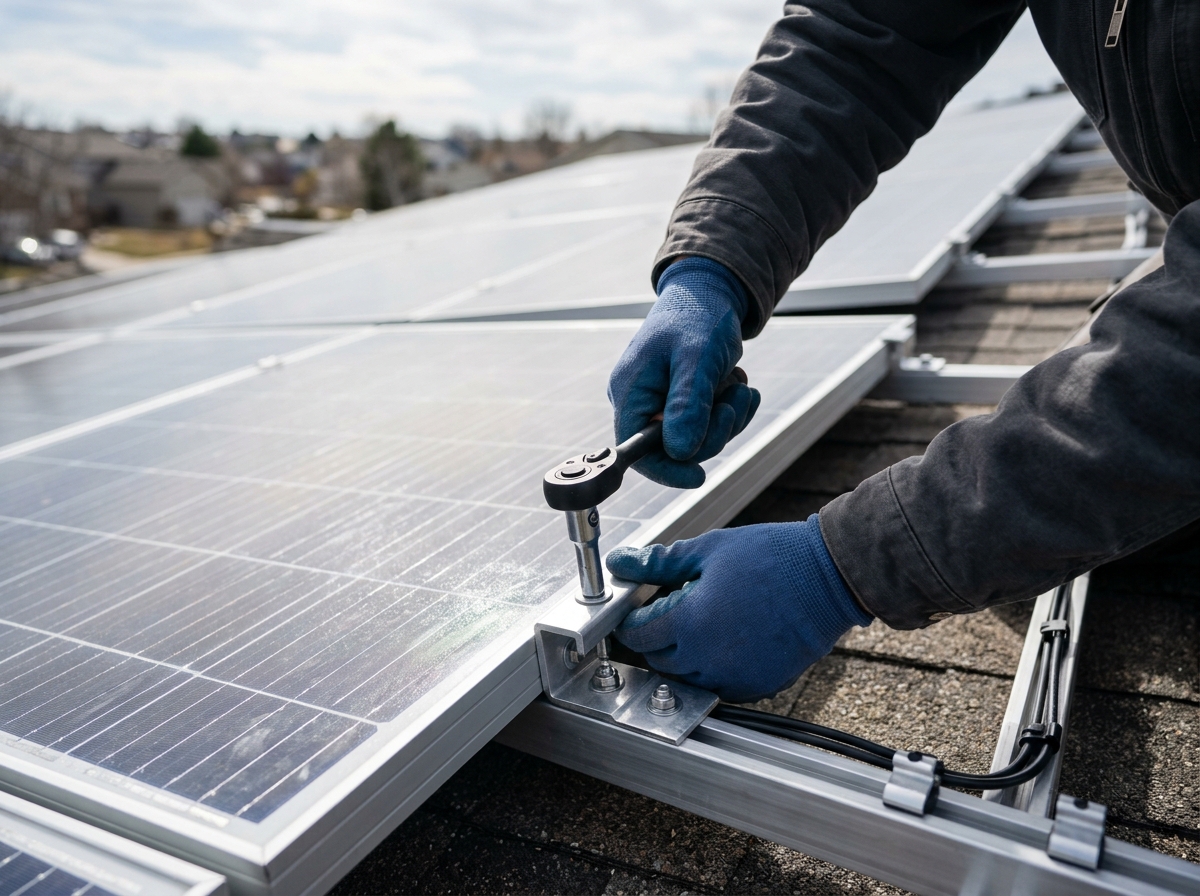
A lot of homeowners overestimate what solar upkeep actually costs, mostly because the myths sound more dramatic than the reality. Solar panels are built to sit outside for 25-plus years with almost no attention. There’s no engine, no moving parts, nothing that wears down the way a furnace or water heater does. Comparing panel upkeep to something like Home Appliance Replacements is misleading; a dishwasher or boiler has motors, valves, and seals that fail. Panels mostly just sit there, quietly making power.
Here’s where the cost inflation really comes from — a handful of persistent myths that don’t hold up under scrutiny:
- The belief that panels need constant professional visits, when most systems only need a once-a-year look and occasional rinsing;
- The assumption that every task requires a licensed technician, when clearing leaves or checking for shading is perfectly homeowner-safe;
- The idea that dusty or lightly dirty panels always cause major output loss, when the real drop is often just 3-5% until heavy debris or bird droppings pile up;
- The notion that one bad storm season means costly annual repairs, when most damage claims are rare, isolated events;
- The fear that maintenance costs will eat into savings, when they typically amount to a small sliver of what you’ll save on utility bills over 20 years.
If you want a reality check beyond marketing claims, browsing candid homeowner discussions on realistic maintenance costs for solar? gives a grounded, non-sales-pitch view. And if something ever seems off with wiring near your system, pairing that inspection with routine Light Home Repair checks is a smart, low-cost habit.
DIY Care vs. Hiring a Professional
Tasks Homeowners Can Safely Handle
Some solar upkeep really is simple. Rinsing panels with a garden hose knocks off pollen and dust without any special gear. Clearing visible debris, like leaves stuck near the frame, takes five minutes. And checking your monitoring app for performance dips costs nothing but a glance at your phone. These small habits overlap with other low-cost efficiency habits, and pairing them with broader projects to improve energy efficiency around the house tends to compound your savings over a full year.
Situations That Call for a Licensed Technician
Anything involving electrical inspections, inverter servicing, or roof-mounted repairs belongs to a professional. So do gas or wiring issues near the system. Rooftop work carries real fall risk, and fumbling it yourself can void your warranty outright. That’s not a small detail — it’s often the difference between a covered fix and a bill you pay entirely on your own.
Here’s a quick way to weigh cost against value, since upfront price isn’t the whole story:
| Task | Who Handles It | Typical Cost | Risk if Skipped |
|---|---|---|---|
| Panel rinse | Homeowner | $0 | Minor output loss |
| Debris clearing | Homeowner | $0 | Shading, hot spots |
| Monitoring check | Homeowner | $0 | Missed early faults |
| Full system inspection | Licensed technician | ~$150–$200 | Undetected wiring or inverter failure |
| Roof-mounted repair | Licensed technician | $300+ | Fall injury, warranty void |
A $0 rinse feels great until you realize it can’t catch a failing inverter. A $200 inspection, on the other hand, tends to flag trouble long before it becomes a $2,000 repair; research on Solar Panel Maintenance Cost Per Year: A Price Guide backs this up with real pricing data. The blunt truth: skipping professional visits doesn’t save money. It just delays the bill.
Regional Factors That Push Maintenance Costs Up or Down
Preparing Solar Systems for Northeast Winters
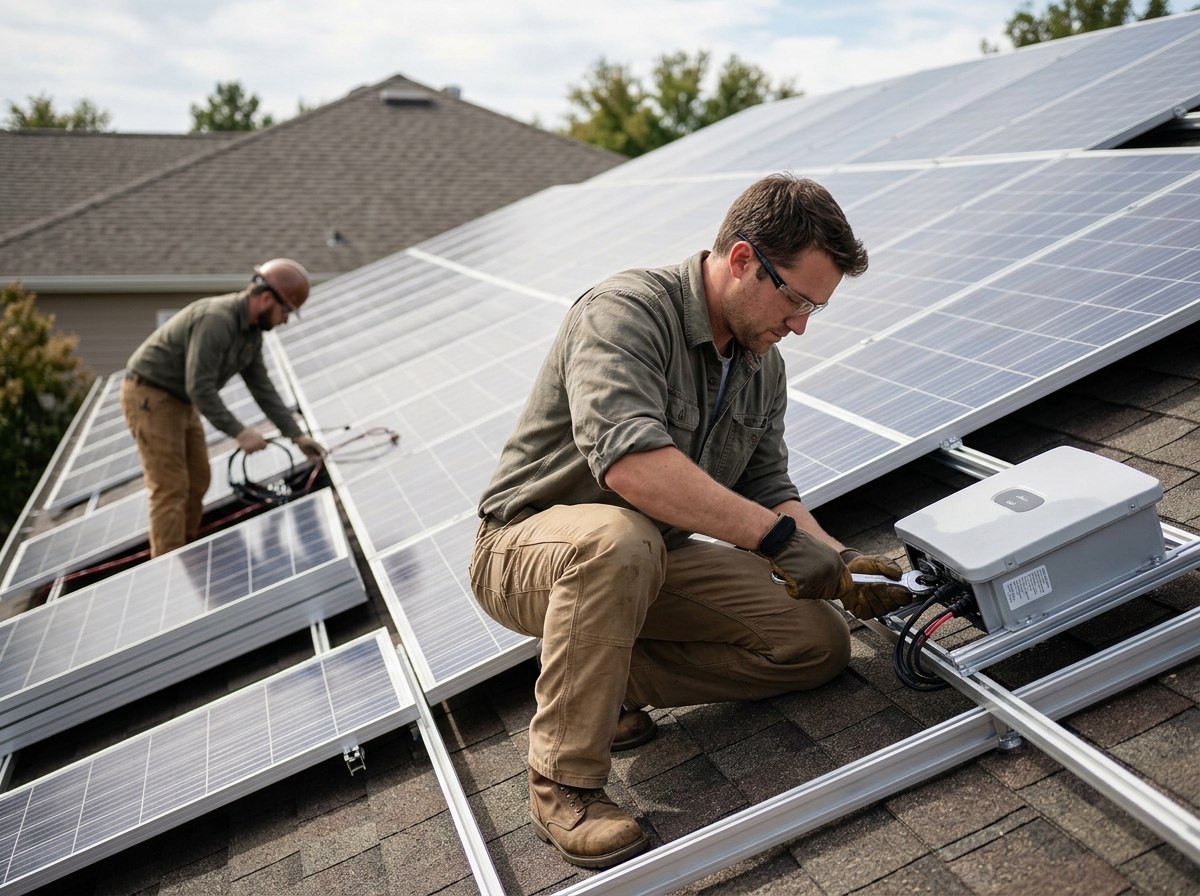
New Jersey winters are hard on a roof-mounted array. Snow load can sit on panels for days, and ice damming along the roofline sometimes backs up meltwater right under the mounting hardware. That’s a real problem. Add in autumn leaves, maple seed pods, and the occasional nor’easter debris, and you’ve got a system that needs more attention than one baking quietly in Arizona sun year-round.
Fall is when smart homeowners get ahead of it. A gutter and roof check before the first freeze catches loose flashing, clogged drainage, and any spots where ice might pool against panel edges. Pair that with attic insulation checks, since heat escaping through a poorly insulated attic accelerates snowmelt-refreeze cycles that stress your roof and racking system. Skipping this step doesn’t save money, it just delays the bill.
Homeowners with older insulation or unresolved attic air leaks often see compounding losses no amount of panel cleaning will fix. You can hose off your array every month, but if warm air is pouring out through the attic, you’re still bleeding energy. Caulking and weatherstripping around attic hatches and vents help close those gaps before winter locks them in place.
Why Local Service Pricing Varies by Region
Not all solar maintenance quotes look alike, and geography explains a lot of that gap. Coastal towns and high-pollen inland areas often need professional cleanings twice a year instead of once, since salt film and pollen buildup reduce panel efficiency faster than in drier climates. If you live near the Shore, budget for that extra visit. It’s not optional, it’s physics.
Labor rates matter too. New Jersey’s technician availability and regional wage standards push service pricing higher than in less densely populated states, and scheduling around peak seasons, spring storm cleanup or post-hurricane inspections, can add wait time and cost. Reviewing how much upkeep a typical solar system actually needs gives you a useful baseline before comparing local quotes. Many local businesses also bundle inspections with related work, like light home repair or gutter fixes, which can trim overall costs.
Ultimately, price differences aren’t random. They reflect climate stress, crew availability, and how proactive your seasonal maintenance has been.
Practical Steps to Lower Your Long-Term Maintenance Budget
Preventive Habits That Reduce Repair Frequency
Most of what drives up long-term costs isn’t the panels themselves. It’s everything around them. A solar array doesn’t work in isolation — it’s part of a whole home energy system, and treating it that way saves money.
- Schedule a home energy audit periodically to catch inefficiencies in wiring, ventilation, or attic gaps that have nothing to do with the panels but still strain your system.
- Pair solar with attic insulation and weatherstripping around doors and windows, since a leaky home forces your HVAC to work harder and shortens equipment lifespan across the board.
- Keep gutters clean and trim back nearby trees so leaves and branches don’t pile debris on your panels or scratch the glass during storms.
- Check your inverter app monthly rather than waiting for a bill spike — a sudden dip in output often signals a loose connection or shading issue you can fix cheaply if caught early.
- Ask about income-eligible programs that bundle free efficiency upgrades, like LED bulb swaps or showerhead replacements, alongside your solar investment.
Small habits like these, done consistently, quietly reduce how often you’ll need a technician out at all.
Building a Realistic Long-Term Budget
Set aside a modest annual reserve — even $150 to $250 — for inspections and the inverter replacement you’ll eventually face, usually within 10 to 15 years. Reviewing general Solar Panel Maintenance Costs benchmarks can help you sanity-check your own estimate. It’s a boring line item. But it’s the one that keeps a surprise repair from becoming a financial gut-punch. Combine that fund with seasonal upkeep — for instance, reviewing energy saving tips for summer before peak cooling months — and you’ll spread costs out instead of absorbing them all at once.
Keeping your solar investment running efficiently starts with a trusted partner who understands the full picture of home energy performance. The team at NECINJ, located at 16 Chapin Rd., Suite 910 in Pine Brook, New Jersey, offers personalized energy audits that help homeowners identify inefficiencies and protect their long-term savings. Stop by their Pine Brook office or call +1 973-244-2400 to book an audit and see how a well-maintained home can make every energy dollar count.
