


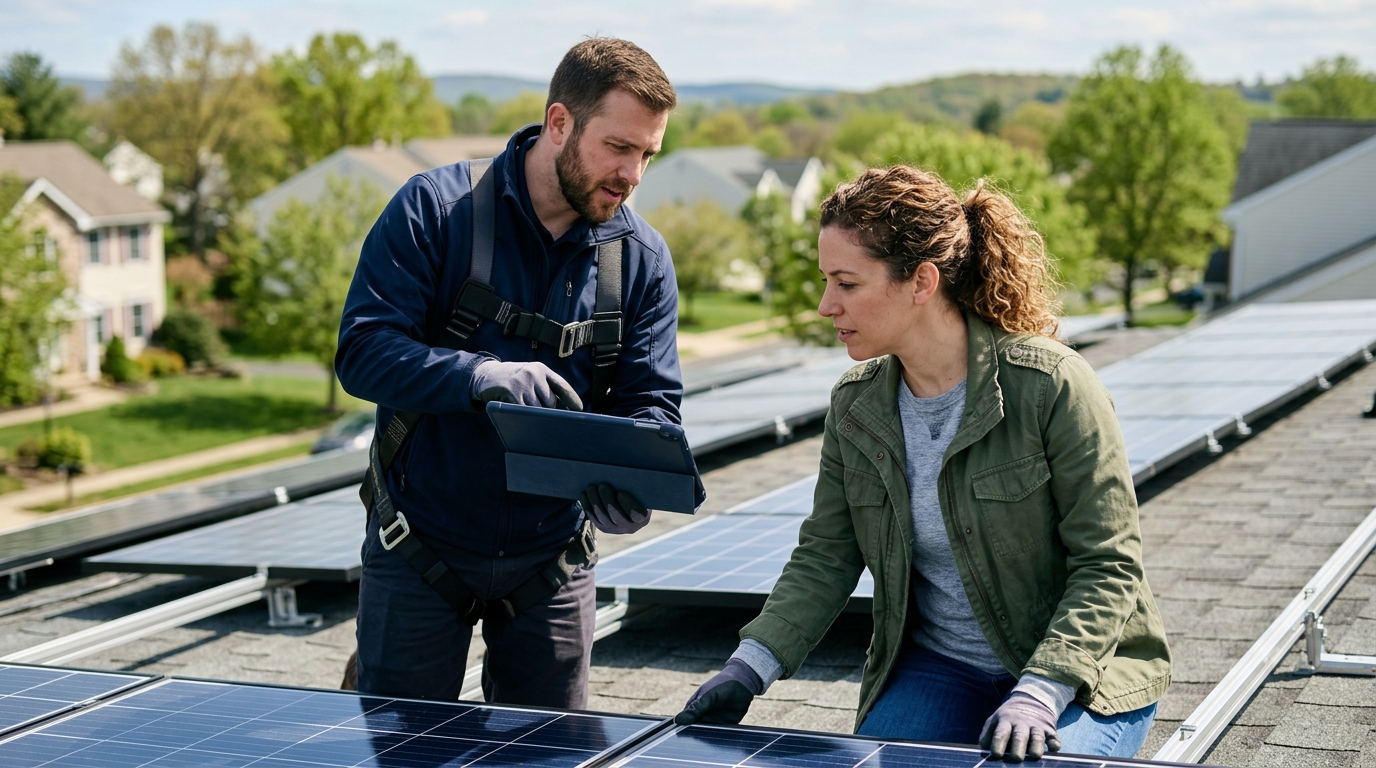
Your solar panels have kept your Pine Brook home running for years, but something feels off lately. Maybe your energy bills crept back up. Maybe a panel looks discolored after last winter’s storms. You’ve typed “solar panel service near me” into your search bar more than once, unsure who to trust with your system. That uncertainty ends here. NECINJ breaks down exactly what Pine Brook homeowners need to know to keep their solar investment running at peak efficiency in 2026 and beyond.
Why searching for solar panel service near me often points to bigger energy questions
What triggers the search: bills, aging systems, or new homeownership
Nobody wakes up curious about solar panels for fun. Most people start typing that search after opening a winter gas bill that made them wince. Or after moving into an older Pine Brook home with a furnace that groans all night. Sometimes it’s a real estate inspection that flags an aging boiler. The solar question is really a cost question wearing a different hat.
That’s worth pausing on before you get quotes. If your real problem is a leaky attic or a fridge from 2009, panels alone won’t fix it. Reading up on whether solar panels are actually worth it for your specific situation is a smarter first step than calling five installers. Some homes are great candidates. Others need groundwork first.
How whole-home efficiency changes the ROI of any energy upgrade
Solar output doesn’t exist in a vacuum. A system sized for a drafty house with old appliances ends up chasing waste it can’t outproduce. Sealing gaps with caulking and weatherstripping, upgrading insulation, or swapping out an inefficient water heater often changes how many panels you actually need. Sometimes fewer than expected, which saves real money upfront.
A dedicated provider that looks at the whole house, not just the roof, will usually catch this. It’s a more honest approach than selling a single product and hoping the math works out.
New Jersey’s climate doesn’t make this easier. Humid summers, cold snaps, and a lot of housing stock built well before modern energy codes mean older homes lose more energy than owners realize. Efficiency first, generation second — that order rarely fails.
Start with a professional energy audit before any equipment decision
What a NECINJ energy audit inspects room by room
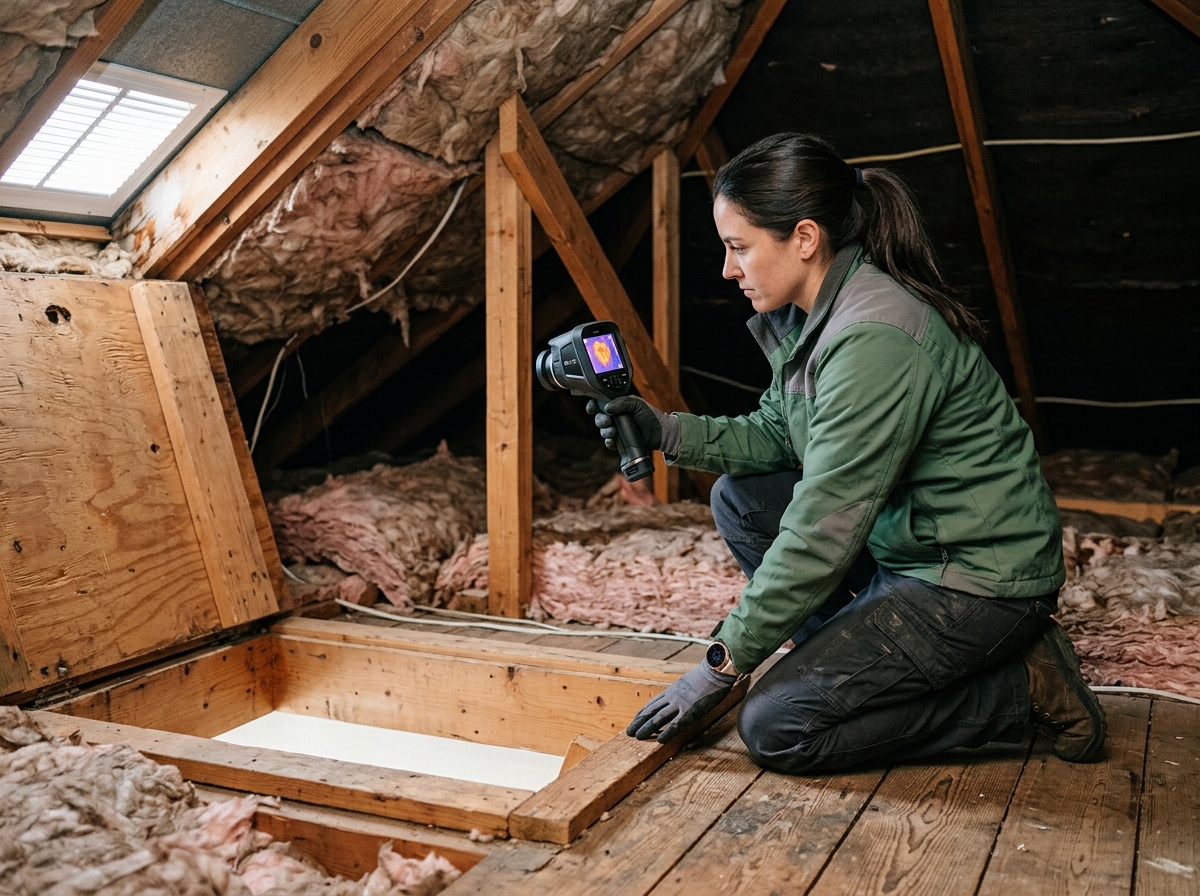
A real audit doesn’t skim the surface. It starts in the attic, checking insulation depth and looking for gaps where warm air sneaks out all winter. Then it moves through living spaces, testing windows and doors for drafts, checking outlets and switch plates, and inspecting the basement or crawlspace where cold air often creeps in unnoticed. Every room tells a different story about energy loss.
The kitchen and bathrooms get attention too. Old appliances, leaky faucets, and outdated bulbs all add up on a monthly bill. An auditor will also run safety checks near gas appliances, since even a small leak is a serious risk. This isn’t a generic checklist stapled to a clipboard. It’s an assessment built around how your specific home actually loses energy, room by room, fixture by fixture.
How audit findings translate into a customized upgrade plan
Once the inspection wraps up, you get a clear picture: which gaps matter most, which appliances are underperforming, and where safety issues need fixing first. It’s a lot more useful than guessing. Many homeowners exploring broader projects to improve energy efficiency start here, because the audit sets the priority order instead of leaving you to pick upgrades at random.
From there, findings usually sort into categories: sealing work like caulking and weatherstripping, insulation upgrades, and appliance or fixture swaps. Some fixes are cheap and immediate — a new showerhead, an LED swap, a quick light repair. Others, like attic insulation or an appliance replacement, cost more but pay back over years. Spending blind is how money gets wasted; an audit tells you exactly where it matters most.
Comparing common home energy upgrades: cost drivers, impact, and urgency
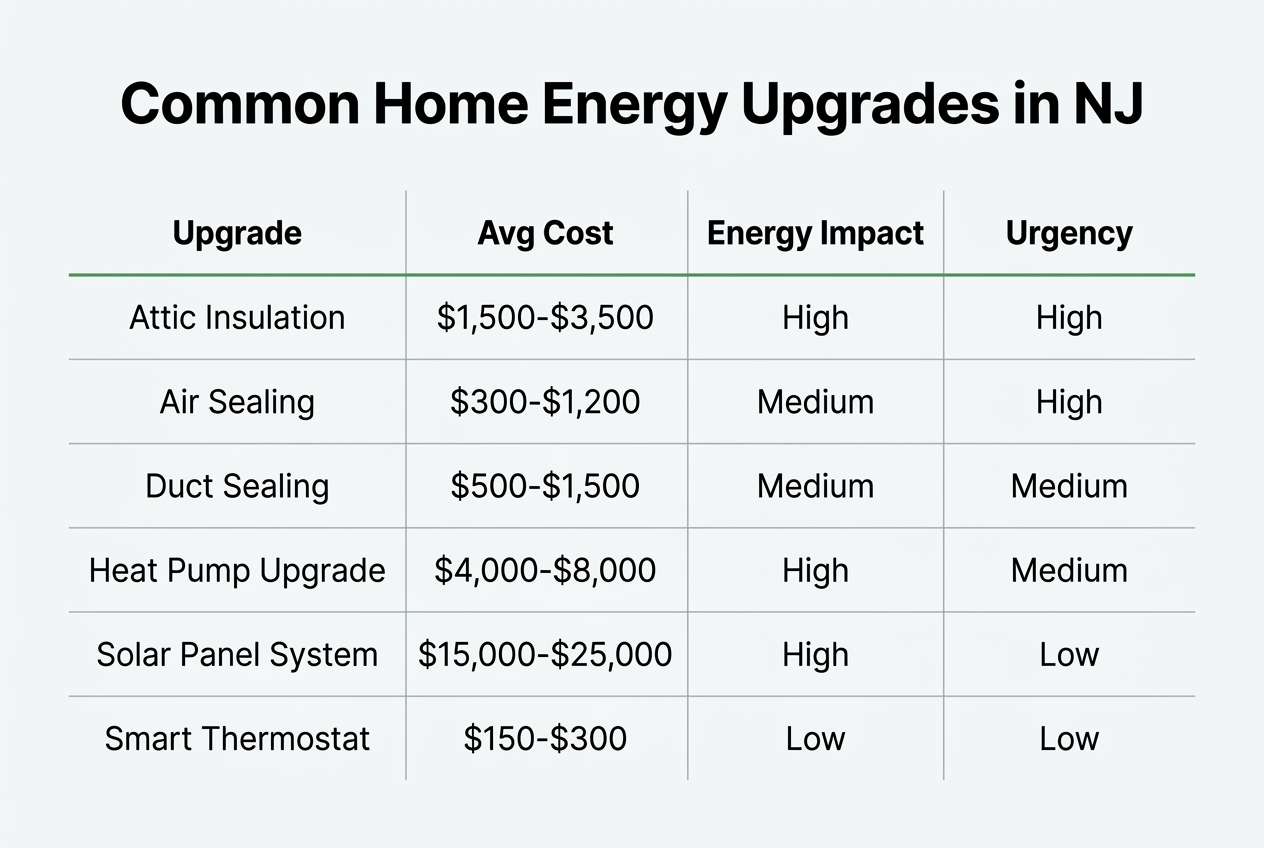
Not every upgrade deserves the same spot on your to-do list. Some are about safety and can’t wait. Others just save money over time, so they’re flexible around your budget. Knowing the difference helps you spend wisely instead of guessing. If you’re weighing solar against smaller fixes first, reviewing energy saving tips for summer can put the smaller wins in perspective before you commit to bigger equipment.
Here’s a simple side-by-side look at four common upgrade categories, their main payoff, and how urgent each one really is.
| Upgrade Type | Main Benefit | Typical Cost Range | Urgency Level |
|---|---|---|---|
| Gas Line/Leak Repair | Eliminates safety hazard | $150–$1,500+ | Critical — address immediately |
| Attic Insulation | Cuts heating/cooling loss | $1,500–$4,000 | High — biggest long-term savings |
| Appliance Replacement | Lowers daily energy draw | $400–$2,500 per unit | Moderate — plan around failure risk |
| Weatherstripping/Caulking | Seals small air leaks | $50–$300 | Low cost, quick payback |
Safety issues always jump the line. A gas leak isn’t a someday project; it’s a today problem. Insulation and appliance upgrades matter, but they’re about efficiency, not danger. Weatherstripping and caulking sit at the bottom of the cost scale, which makes them a smart place to start if your budget is tight this year. Homeowners exploring bigger renewable investments often want a broader view of the market first, and reading about Solar Panel Service and Repair can clarify what maintenance actually involves before you sign anything.
Appliance replacements that quietly drain energy budgets
Boilers, water heaters, stoves, and dishwashers don’t fail all at once. They fade. A boiler running at 65% efficiency instead of 95% doesn’t announce itself — it just quietly adds dollars to every bill. Same with a water heater that takes twice as long to recover between showers. By the time these units actually break down, you’ve often paid for their replacement several times over in wasted fuel and electricity. That’s the real cost of “it still works fine.”
Warning signs a boiler or water heater needs replacing
Age alone isn’t the only clue, but it’s a strong one. Most boilers and water heaters lose meaningful efficiency well before they hit 15-20 years old, and stoves and dishwashers show similar decline through worn seals, uneven heating, and longer cycle times. Watch for these patterns:
- Utility bills that climb year over year even though your usage habits haven’t changed at all
- A boiler that short-cycles constantly or struggles to keep rooms at a steady temperature
- A water heater that runs out of hot water faster than it used to, or takes noticeably longer to reheat
- A dishwasher or stove that needs repeat repairs, rising costs even though nothing dramatic looks broken
- Visible rust, corrosion, or pooling water around a tank, which usually signals internal wear
- Uneven cooking results on a stove, a sign heating elements or burners are degrading
A qualified technician can match a replacement to your household’s actual usage, not just a generic model off the showroom floor. Browsing options like home appliance replacements gives a sense of what fits a given home size and budget. The smarter move is planning around performance decline, not waiting for a full breakdown. If you’re also weighing your options elsewhere, reviews under Best Solar Panel Repair Near Me can offer a useful comparison point for how local service quality varies. Either way, don’t wait for the smell of gas or a flooded basement to decide it’s time.
Gas safety services: leak testing, detection, and repair explained
A gas leak isn’t just a safety threat. It’s also money and heat leaking straight out of your house. Even a small, slow leak can waste fuel for months before anyone notices, quietly inflating your bills while putting your household at risk. Ignoring it is never the smart move.
Signs of a gas leak homeowners shouldn’t ignore
Some warning signs are obvious. Others are easy to write off as nothing. Watch for these:
- A sulfur or rotten-egg smell near appliances, gas lines, or the meter, which is added to natural gas specifically so leaks are noticeable
- A hissing or whistling sound near gas pipes, fittings, or valves, even a faint one
- Dead or discolored patches of grass or plants above underground gas lines outside
- Unexplained headaches, dizziness, or nausea that ease up when you leave the house
- Higher-than-normal gas bills with no obvious change in usage or weather
- Pilot lights that won’t stay lit or burn with an odd, flickering flame color
Steps involved in professional leak detection and repair
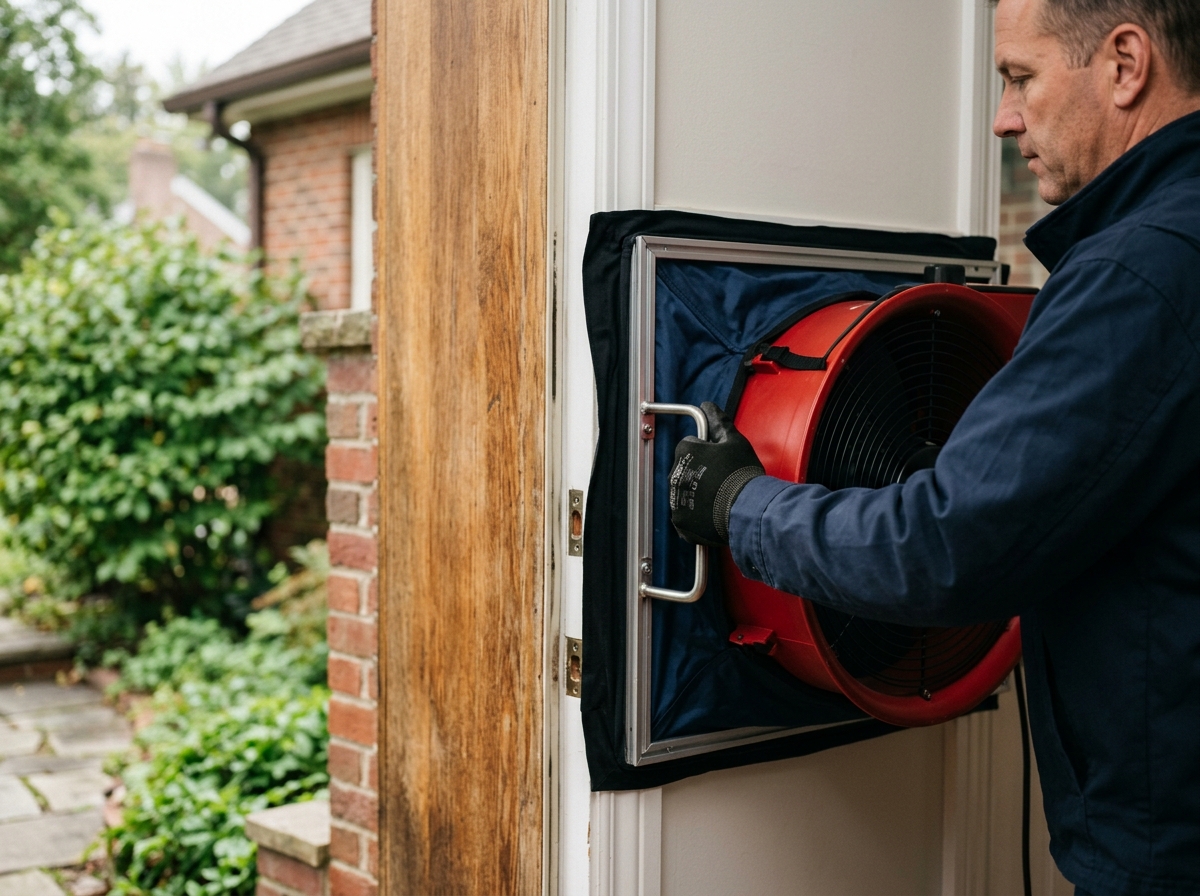
Professional testing relies on tools far more sensitive than a human nose: electronic gas detectors, combustible gas sniffers, and pressure testing that can pinpoint exactly where a line is compromised. That precision matters, because it means gas leak repair can target the actual problem spot instead of guessing. Once located, most issues are fixed through targeted repair or a section-by-section gas line replacement rather than tearing out and rebuilding the whole system unnecessarily. It’s similar to how, elsewhere in your home, sealing gaps with caulking or replacing a section of insulation solves the problem without a full renovation. If you’re weighing bigger energy upgrades around the house, it also helps to review the same kind of side-by-side breakdown homeowners use when they compare Temecula Solar Panel Repair and Service costs against simple maintenance fixes. Bottom line: even a “minor” leak deserves same-day attention, not a wait-and-see approach.
Sealing the small gaps: insulation, caulking, and weatherstripping
How attic insulation levels affect heating and cooling costs
Heat rises. In winter, it’s constantly trying to escape through your attic, and if the insulation up there is thin or compressed, it just leaves. Come summer, the same gap works against you in reverse, letting attic heat bake down into your living space. Proper attic insulation is one of the simplest ways to stop both problems at once, and most older Pine Brook homes are running well below current recommended levels.
Drafts are the other half of the equation. Caulking and weatherstripping target the gaps around doors, windows, outlets, and pipe penetrations — small openings that add up to a surprising amount of lost air. Think of a quarter-inch gap under an exterior door. Over a winter, that’s like leaving a small window cracked open. It’s cheap to fix.
Compared to swapping out a furnace or boiler, these upgrades cost far less and pay back fast, often within a year or two. And here’s the real payoff: insulation and air-sealing done together outperform either one alone, because sealed gaps keep your new insulation from working against a constant draft. That’s compounding savings, not just addition.
Finding reliable solar panel service near me in the Pine Brook area
Questions to ask any local provider before hiring them
Start with response time. Ask how fast someone actually shows up when a panel underperforms or an inverter throws an error. Local matters here — a provider working out of your county knows NJ utility rebate programs, interconnection paperwork, and inspection quirks that out-of-state call centers just don’t. Ask, too, what happens a year after install. Do they offer follow-up checks, or are you on your own once the check clears?
Push past the sales pitch. Ask what technology they’re currently installing, how they size a system, and whether they run a personalized assessment or just quote based on your roof square footage. A one-size-fits-all proposal is a red flag. Reading up on best solar panel repair companies before you commit gives you a benchmark for comparing quotes and warranty terms. It’s a quick way to spot vague answers.
Finally, ask about scheduling logistics. Many local businesses list a physical office and a direct line for a reason — it means real people answer, not a national queue. An office at 16 Chapin Rd., Suite 910, Pine Brook, NJ 07058, with a direct line at +1 973-244-2400, is the kind of setup that supports faster local scheduling and easier follow-up visits.
Why pairing solar with efficiency upgrades maximizes savings
Solar panels generate power. They don’t stop you from wasting it. If your attic insulation is thin or your ducts leak, you’re paying to cool or heat air that escapes before it does any good. That’s why an efficiency audit should come before any solar quote, not after. It tells the installer your true energy load, so the system gets sized correctly instead of oversized and overpriced.
Skipping that step is a common, expensive mistake. Homeowners often buy bigger systems than they need, simply because nobody checked whether attic insulation, caulking, or weatherstripping were dragging down efficiency first. Fixing drafts and gaps is cheap compared to solar; doing it first can shrink the system size you need by a meaningful margin. For a broader view on upkeep once panels are installed, guidance on how to find solar panel maintenance near me is worth reviewing alongside your audit results.
Think of it as sequencing, not stacking services. Renewable energy system installation works best as the final step, built on a home that’s already been tightened up.
Free upgrades through the NJ Comfort Partners Program
Who qualifies and how to apply for free services
Not everyone needs to pay full price for a more efficient home. New Jersey runs a state partnership that covers many energy upgrades at no cost, as long as your household falls under certain income limits. Eligibility usually depends on household size and total income, similar to guidelines used for other utility assistance programs. If you’ve ever wondered whether small home repairs make financial sense, light home repair is one of several services often bundled into these free upgrade packages.
Once approved, the range of covered work is wider than most people expect. Here’s what’s typically included:
- A full home energy audit that identifies where you’re losing heat, air, and money each month
- Attic insulation upgrades to stop hot or cold air from escaping through the roofline
- Appliance replacements for aging refrigerators, water heaters, or stoves that quietly waste electricity or gas
- Safety repairs, including gas leak testing and correction, to protect your household from hidden hazards
- Weatherstripping and caulking around doors and windows to seal the drafts you feel every winter
This isn’t charity for charity’s sake. It’s a deliberate effort to reach households hit hardest by high utility bills. Applying starts small: a phone call, a quick eligibility check, then a scheduled home assessment. From there, a trained technician walks through your home and builds a plan. No pressure, no upsell. Just an honest look at what’s costing you money.
Small fixes with fast payback: lighting, fixtures, and light repairs
Not every energy upgrade needs a big budget. Some of the cheapest fixes save you the most money per dollar spent. Swapping old incandescent bulbs for LEDs is the classic example: led light bulb replacement can cut lighting energy use by up to 75%, and the bulbs last years longer. Because these changes are so cheap and quick, learning about simple lighting upgrades that lower bills is a smart first step before tackling bigger projects.
Low-flow showerheads and aerators work the same way for hot water. They restrict flow just enough to cut water heating costs, without you noticing any drop in pressure. And small repairs — a loose faucet, a drafty door hinge, a cracked seal — matter more than people think. Left alone, they turn into real damage. Fixed early, they’re a five-minute job.
| Upgrade | Typical Cost | Annual Savings | Payback Time |
|---|---|---|---|
| LED bulb replacement | $2–$5 per bulb | $50–$100 (whole home) | Under 1 year |
| Low-flow showerhead | $15–$40 | $40–$70 | Under 1 year |
| Faucet aerator | $5–$15 | $20–$30 | Under 6 months |
| Minor repair (seals, hinges) | $0–$50 | Varies, prevents bigger loss | Immediate |
Verdict: these small jobs won’t transform your energy bill overnight. But they’re the fastest, cheapest wins on the list, and there’s really no reason to skip them.
Building a realistic home energy improvement plan for 2026
A step-by-step sequence for prioritizing upgrades
Don’t just jump to the shiny stuff. A smart plan follows a logical order, and skipping steps usually costs you money later. Here’s the sequence that actually works:
- Start with a professional audit so you know exactly where the home is losing energy and dollars, instead of guessing.
- Fix safety issues first, including any gas leak repair needs, since a safety problem always outranks a savings opportunity.
- Move to cost-saving upgrades like attic insulation, caulking, and weatherstripping that shrink monthly bills fairly quickly.
- Only then consider renewable energy, since solar and batteries perform best on a home that’s already tight and efficient; if you’re weighing storage options, a home battery installation NJ guide can help you compare backup capacity and cost before you commit.
- Break the whole project into budget phases across a year or two, rather than trying to do everything the same month.
- Track your utility bills after each upgrade to confirm the savings are real, not just a warm-weather coincidence.
Every house is different. A consultation that factors in the home’s age, size, and condition will build a sequence that fits your actual budget, not a generic checklist.
If you’re ready to stop searching “solar panel service near me” and start getting real answers, stop by NECINJ’s office at 16 Chapin Rd., Suite 910 in Pine Brook, NJ, or give their team a call at +1 973-244-2400 to talk through a personalized energy audit for your home. Whether you qualify for free upgrades through the New Jersey Comfort Partners Program or simply want a tailored plan to boost efficiency and comfort, NECINJ is happy to walk you through your options. Reach out today and book a visit — your home (and your energy bill) will thank you.
