


Staring at conflicting price quotes and wondering why one contractor’s estimate is triple another’s is enough to make any homeowner delay a project that could save money every single month. The truth is that insulation cost varies widely based on material, R-value, home size, and labor factors most homeowners never see explained in plain terms. This guide breaks down real 2026 pricing across every insulation type and installation scenario, so you can budget accurately and avoid overpaying for your home’s energy efficiency upgrade.
Understanding Insulation Cost: What to Expect in 2026
Average Price Ranges by Job Size
Most homeowners in 2026 spend between $1,500 and $6,500 on a typical insulation project. Small jobs, like sealing an attic hatch or insulating a single crawl space, often land closer to $1,000. Whole-home upgrades that cover the attic, walls, and basement can reach $10,000 or more. Job size drives the total cost more than any single material choice.
A small rental unit needs far less material and labor than a 2,500-square-foot colonial. That’s why pricing guides list broad ranges instead of one flat number. Getting a written estimate for your specific home is the only reliable way to know your true cost.
Cost Per Square Foot Explained
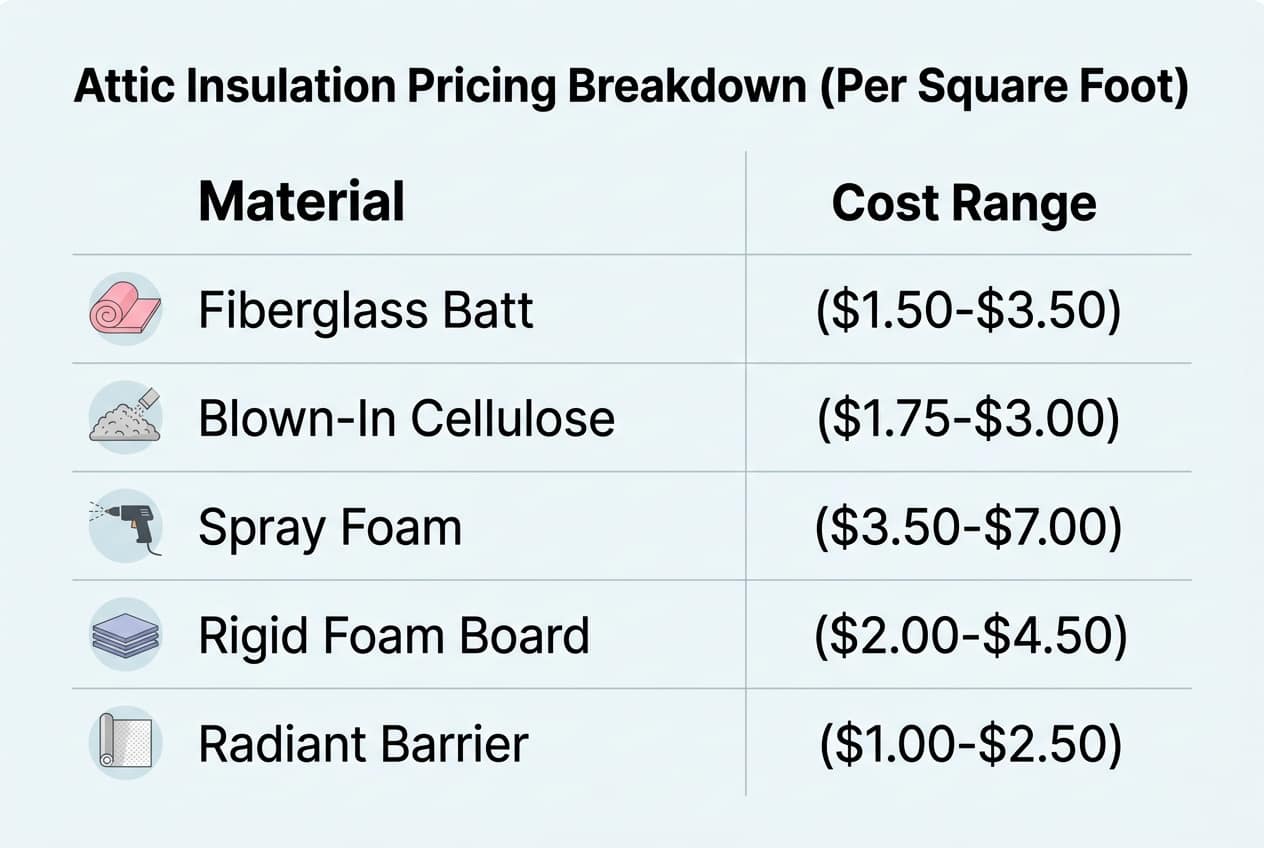
Insulation commonly runs $1 to $5 per square foot, depending on material and where it goes in the home. Blown-in attic insulation sits at the lower end, while spray foam wall insulation costs more. This resource on What Do Insulation Installation Services Cost? breaks down these differences further.
Per-square-foot pricing helps you compare quotes fairly. Whole-home pricing, by contrast, bundles labor, materials, and access challenges into one number. Both approaches matter: square footage estimates your budget early, while a full quote confirms the final price.
Insulation as a Long-Term Investment
Insulation consistently ranks among the highest-return home upgrades around. It lowers heating and cooling bills year after year, often paying for itself within a few years. Pair it with other projects to improve energy efficiency, like caulking, weatherstripping, and LED bulb replacement, and the savings multiply.
Unlike appliance replacements or minor repairs, insulation keeps working quietly for decades with little maintenance. That durability makes it a smart, lasting investment for any homeowner.
Why No Two Homes Cost the Same to Insulate
Older Homes vs New Construction
A house built in 1965 rarely has the same insulation needs as one built last year. Older homes often have settled, damaged, or missing insulation. Some walls have no barrier at all. That means more labor, more material, and higher costs to meet today’s standards.
New construction usually meets current building codes already. Still, existing insulation condition matters more than age alone. A well-maintained 1980s home may need less work than a poorly built newer one. Checking the 2026 Cost to Install Insulation Per Square Foot gives a helpful baseline before comparing quotes.
Climate Zone Impact on Insulation Needs
Regional climate shapes how much insulation a home actually needs. Colder zones require higher R-values to hold heat through long winters. New Jersey sits in a mixed climate zone, so both winter cold and summer heat drive insulation decisions.
Coastal areas often deal with added moisture, which affects material choice. Homeowners weighing bigger energy upgrades sometimes ask whether are solar panels worth it alongside insulation improvements, since both target long-term energy savings.
Home Size and Layout Considerations
Square footage plays an obvious role, but layout matters too. Homes with multiple stories, complex rooflines, or finished attics take longer to insulate. Crawl spaces, additions, and irregular wall cavities add labor time as well.
A simple ranch-style home often costs less per square foot than a sprawling two-story house with several access points. Layout complexity often affects price more than total size alone.
Attic Insulation Pricing Breakdown
Cost by Attic Size and Access
Attic projects usually run $1,500 to $4,500. The final price depends on square footage, roof pitch, and how easy the space is to reach. A steep roof or a low crawl area adds labor time. Cramped attics with ductwork or wiring slow the work down too. Access matters as much as size when estimating your total.
| Attic Size | Access Type | Typical Cost Range |
|---|---|---|
| 600 sq ft | Easy, full standing height | $1,500–$2,200 |
| 1,000 sq ft | Standard pull-down stairs | $2,200–$3,200 |
| 1,200 sq ft | Steep pitch, low clearance | $3,000–$4,000 |
| 1,500+ sq ft | Obstructed, tight crawl space | $3,800–$4,500 |
Spray Foam vs Blown-In Attic Options
Blown-in insulation costs less and installs faster, which is why it’s such a popular attic choice. Spray foam costs more but seals gaps and adds air-sealing benefits, much like caulking or weatherstripping elsewhere in the home. Homeowners comparing coverage on their own can check a Roll & Batt Insulation Calculator for rough material estimates before requesting quotes.
Ventilation and Prep Costs
Proper ventilation prevents moisture damage after installation. Expect $200 to $600 for baffles, vents, or minor air sealing. Combine this work with energy saving tips for summer to cut cooling costs further once insulation is complete.
Crawl Space and Basement Insulation Costs
Crawl Space Insulation Price Factors
Crawl spaces cost more to insulate than a simple square footage number suggests. Cramped access, low clearance, and existing moisture problems all push labor time up. Expect a range of $1,500 to $5,500 depending on size and condition.
A moisture barrier adds real cost but protects the investment. Vapor barrier plastic sheeting runs $0.40 to $0.80 per square foot installed, while heavier reinforced liners cost more. Skip this step and you risk mold, wood rot, and wasted insulation within a few years.
Some homes also need drainage work or a sump pump before insulation goes in. A crew familiar with local soil and water tables, backed by solid about us credentials and field experience, can flag these issues during the initial walkthrough rather than mid-job.
Rim Joist Sealing Costs
The rim joist sits where the foundation meets the framing. It’s a major air leak point, often as leaky as an unsealed attic hatch. Sealing it typically costs $3 to $8 per linear foot, depending on access and material.
Most contractors use spray foam here, since it seals and insulates in one step. A typical basement perimeter runs $200 to $600 for this work alone. Pair rim joist sealing with caulking and weatherstripping elsewhere in the home, and the energy savings multiply.
Basement Wall Insulation Pricing
Encapsulation costs more than standard insulation but delivers more. Full encapsulation, including vapor barriers, sealed vents, and rigid foam board, runs $5,000 to $15,000 for an average basement. Standard batt or foam board insulation alone costs $1 to $3 per square foot.
Encapsulation suits damp, humid basements or those used as living space. Standard insulation fits drier basements needing modest upgrades. Either choice pairs well with attic insulation for whole-home efficiency gains.
Wall Insulation for Existing Homes
Injection Foam Pricing
Injection foam works well for finished walls that can’t be opened up. Installers drill small holes into each wall cavity and inject foam that expands to fill gaps around wires and pipes. Costs typically run $3 to $5 per square foot, depending on wall height and access.
A typical 1,500-square-foot home might spend $2,500 to $5,000 for full exterior wall coverage. Homes with brick or stucco exteriors often cost more, since drilling takes extra care. Many local businesses offering this service also handle attic insulation as a package deal.
Blown-In Cellulose for Walls
Cellulose is another option for closed walls. It’s blown in through small holes using a hose and hopper machine, similar to injection foam installation. Pricing usually falls between $1.50 and $3 per square foot, making it a budget-friendly choice.
Cellulose settles slightly over time, so coverage can thin near the top of tall walls. It performs best in moderate climates and works well alongside upgrades like weatherstripping and caulking, which block drafts that insulation alone can’t stop.
Prep and Repair Costs
Drilling and patching add $200 to $600 to most jobs, depending on wall material and finish quality. Plaster walls cost more to repair than drywall. Older homes with wood siding may need extra patching to match existing paint or texture.
Older homes with balloon framing or uneven cavities often need extra assessment before work begins. Exploring our services can help homeowners understand which wall insulation method fits their home’s age and construction best.
Comparing Insulation Materials and Their Price Points
Fiberglass vs Cellulose
Fiberglass stays popular because it costs less upfront. Cellulose, made from recycled paper, packs tighter and blocks drafts better. Many local businesses stock both, choosing based on attic shape and budget.
Spray Foam vs Blown-In Insulation
Spray foam seals gaps and stops air leaks completely. Blown-in insulation, whether fiberglass or cellulose, fills irregular spaces faster and cheaper. Mineral wool sits between these options, offering fire resistance and moisture tolerance at a higher price.
R-Value and Long-Term Value
Comparing cost per R-value helps homeowners see real savings. The table below breaks down typical pricing and lifespan.
| Material | Cost per sq ft | R-Value per inch | Average Lifespan |
|---|---|---|---|
| Fiberglass | $0.40–$1.50 | 2.2–2.7 | 20–30 years |
| Cellulose | $0.60–$2.30 | 3.2–3.8 | 20–30 years |
| Spray Foam | $1.50–$5.00 | 3.5–6.5 | 80+ years |
| Mineral Wool | $1.00–$3.00 | 3.0–3.3 | 30–50 years |
Spray foam costs more upfront, but it lasts far longer and cuts down on replacement expenses. Before choosing a material, homeowners should review a provider’s privacy policy when requesting online quotes or scheduling consultations.
What Drives Labor and Material Costs Up or Down
Labor Rates and Regional Differences
Contractor pay varies widely by location. Crews in dense urban areas often charge more due to higher overhead, licensing fees, and demand. Rural regions sometimes see lower hourly rates but longer travel time, which adds cost. In New Jersey, competition among many local businesses can keep pricing reasonable, especially for straightforward attic jobs.
Experience matters too. A seasoned installer works faster and avoids costly mistakes. Skilled labor often costs more upfront but saves money long-term through proper installation. If you’re unsure what’s typical in your area, reaching out through contacts can help clarify current regional pricing before you commit.
Material Quality and Thickness
Insulation grade changes price significantly. Basic fiberglass batts cost less than premium spray foam or dense-pack cellulose. Higher R-value materials require thicker application, which means more product and more labor hours. A home needing R-49 attic coverage will cost more than one needing R-30.
Thicker insulation isn’t always necessary everywhere. Climate zone and existing conditions determine the right amount. Choosing quality material suited to your home, rather than the cheapest option, often prevents repeat spending within a few years.
Site Preparation Requirements
Accessibility plays a major role in final pricing. A clean, open attic costs less to insulate than a cramped crawl space full of debris. Tight access points slow down work and increase labor time.
Prep work adds expense too. Removing old, damaged insulation, sealing air leaks with caulking, or completing light home repair before installation all raise the total bill. Homes needing weatherstripping or duct sealing first may see slightly higher upfront costs but better long-term performance.
Ways to Lower Your Insulation Project Costs
Combine Insulation with an Energy Audit
An energy audit finds your biggest heat losses before you spend money on materials. Many auditors bundle small fixes into one visit, saving on separate trip charges. A single appointment might include caulking gaps, weatherstripping doors, and checking attic insulation levels together.
Choose Cost-Effective Material Alternatives
Some insulation work is DIY-friendly. Other zones need licensed professionals for safety and code compliance. Knowing the difference keeps your budget realistic.
- Attic floor insulation is often manageable for handy homeowners using batts or blown-in cellulose.
- Basement rim joists and rafters usually require professional-grade spray foam application for a proper air seal.
- Crawl space vapor barriers demand precise, professional installation to prevent moisture problems later.
- Simple air-sealing tasks like caulking window trim cost little and pair well with weekend projects.
- Wall cavities in older homes typically need specialized equipment only trained crews should operate.
Schedule During Off-Peak Seasons
Contractors often lower rates during slow months, usually late fall or early spring. Booking then can trim labor costs significantly. This timing also works well for pairing insulation with LED bulb swaps or light repairs. For more seasonal timing tips, check this blog resource.
Rebates, Incentives, and Free Programs for New Jersey Homeowners
New Jersey Comfort Partners Program Overview
Income-eligible households can qualify for free insulation services through a statewide assistance program. Eligibility depends on household size and income, similar to LIHEAP guidelines. Approved homes often receive attic insulation, air sealing, and basic repairs like caulking and weatherstripping at no cost. This program removes cost as a barrier for families who need it most.
Federal and State Tax Incentives
Beyond the free program, many homeowners qualify for federal tax credits covering a percentage of insulation material costs. State-level incentives sometimes stack with these credits, lowering out-of-pocket expenses further. Reviewing a completed portfolio of past projects can help homeowners understand what upgrades typically qualify before filing paperwork.
Utility Company Rebate Programs
Local utility companies also offer rebates tied to energy efficiency upgrades. These programs often require proof of installation and sometimes a pre-project energy audit. Homeowners should gather documentation early to avoid delays.
- Check household income against current eligibility thresholds before applying for Comfort Partners assistance.
- Request a home energy audit to identify qualifying upgrades, including attic insulation and air sealing work.
- Save receipts and contractor invoices needed for federal tax credit filings.
- Contact your utility provider directly to confirm current rebate amounts and application deadlines.
- Bundle smaller repairs, like showerhead replacements or LED light bulb swaps, with larger rebate-eligible projects.
How Long Does an Insulation Installation Take?
Attic and Crawl Space Timelines
Most attic insulation jobs finish in a single day. A typical attic, once old material is removed and new insulation blown or laid in, takes crews about four to eight hours. Crawl space work often takes longer, since technicians must seal air leaks, install vapor barriers, and work in tight, low spaces. Expect a crawl space job to run one full day, sometimes stretching into a second if moisture damage or old debris needs clearing first.
Small additions, like insulating a single room or a closet chase, can wrap up in just a couple of hours. These quick jobs are common when homeowners are patching gaps found during an energy audit rather than tackling a full insulation overhaul.
Whole-Home Insulation Projects
A whole-house insulation upgrade covering the attic, walls, and crawl space typically takes two to four days. Larger or older homes with plaster walls or limited access points can push the project closer to a week. Crews often break the work into phases, tackling one area per day to keep dust and disruption manageable.
Homeowners planning bigger renovations sometimes pair insulation with other upgrades, such as home appliance replacements or light home repair, extending the overall timeline. Browsing a project gallery can help set realistic expectations for how a multi-day job unfolds room by room.
Scheduling and Prep Time
Turnaround time depends on more than square footage. Attic access, existing insulation removal, and repairs like gas leak fixes or caulking must happen before new material goes in. Weatherstripping and sealing gaps around windows often get bundled into prep work, adding time but improving results.
Scheduling also matters. Peak seasons, fall and early winter, bring longer waits for appointments. Booking early, and confirming whether small tasks like LED light bulb replacement or showerhead swaps will happen the same visit, keeps the project timeline predictable.
Signs Your Home Needs New or Additional Insulation
Warning Signs Inside Your Home
Some problems are easy to spot once you know what to look for. High energy bills are often the first clue that Insulation is failing to do its job. Drafts near windows, doors, and outlets usually point to gaps that need caulking or weatherstripping too.
- Your heating or cooling bills have jumped 20% or more without a change in usage habits.
- Rooms feel drafty even when windows and doors are shut tight.
- Certain rooms stay noticeably colder or hotter than the rest of the house.
- Insulation looks flat, damp, or discolored when viewed in the attic or basement.
- Pests or rodents have left visible nesting damage in exposed insulation material.
When to Replace vs Add Insulation
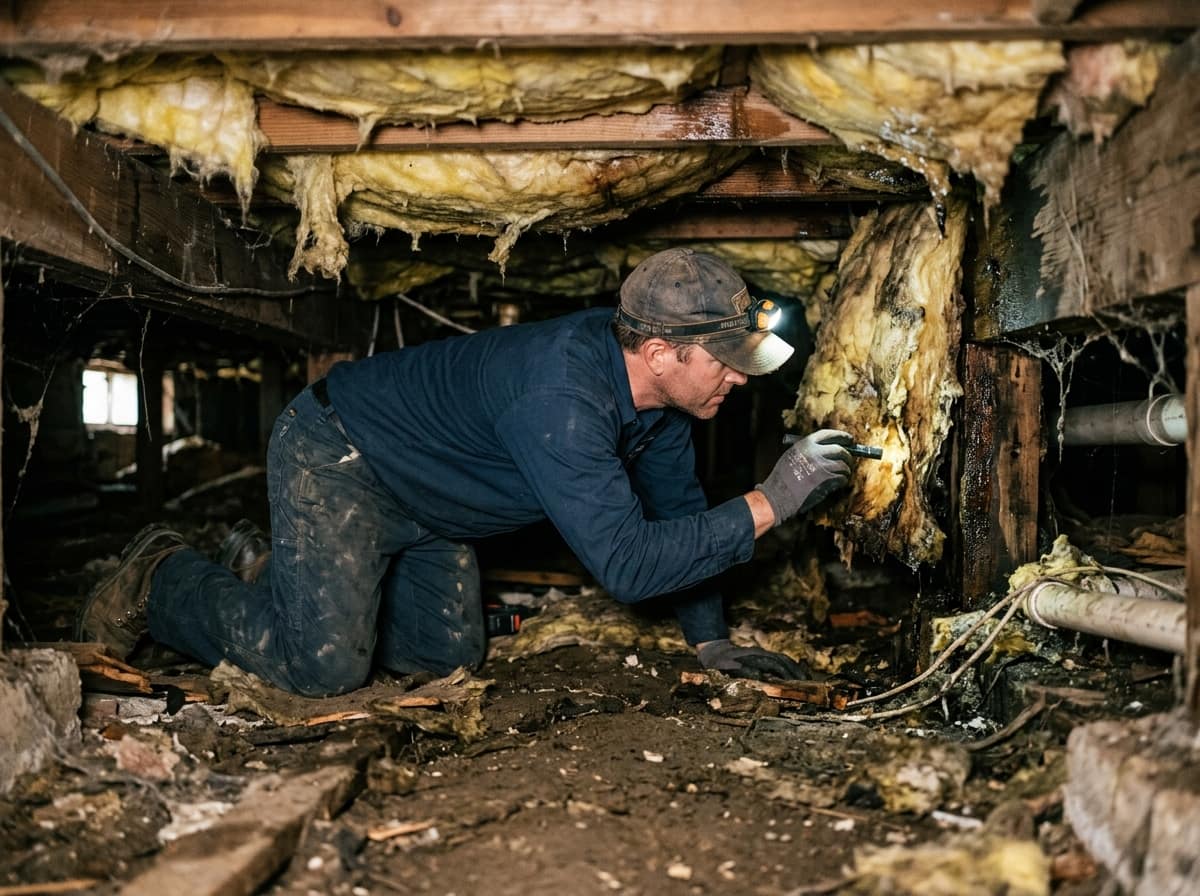
Uneven temperatures between floors often mean insulation levels are inconsistent, not necessarily gone. Adding a layer on top of dry, undamaged material usually solves this. But compressed, wet, or moldy insulation must be fully removed and replaced. Compression especially matters, since squashed fibers lose most of their R-value and stop blocking heat flow effectively.
Getting a Professional Assessment
A trained technician can measure depth, check moisture, and pinpoint air leaks a homeowner might miss. This assessment often overlaps with other checks, like light home repair or gas leak repair, since inspectors are already examining the structure closely.
Is Upgrading Your Insulation Worth the Cost?
Calculating Your Energy Savings
Most homeowners see heating and cooling bills drop by 10% to 20% after a proper upgrade. For a household spending $2,400 a year on energy, that’s $240 to $480 in annual savings. Over a decade, those numbers add up to thousands of dollars back in your pocket.
Savings vary by climate, home size, and how leaky the space was beforehand. A drafty attic paired with poor air sealing wastes far more energy than a well-sealed one. Pair insulation with caulking and weatherstripping around windows and doors, and results often improve even more, since sealed gaps stop conditioned air from escaping before it does its job.
Comfort, Health, and Home Value Benefits
Beyond dollars, better insulation means fewer cold spots, quieter rooms, and steadier indoor temperatures year-round. Many homeowners also notice improved air quality, since sealed cavities keep out dust, pollen, and moisture that trigger allergies. This matters especially for households with young children or respiratory conditions.
Insulation upgrades also raise resale value. Appraisers and buyers increasingly ask about energy efficiency, and documented upgrades can be a selling point. It’s a home improvement that pays you back both while you live there and when you eventually sell.
How Long Until It Pays for Itself
Typical payback periods run three to seven years, depending on material, labor cost, and current energy prices. Attic insulation, one of the fastest returns, often pays for itself in under five years. Wall and crawl space projects may take slightly longer but still deliver lasting value.
Costs can climb quickly on larger or more complex homes, and sticker shock is common. One homeowner’s post, “$9000 for insulation? : r/hvacadvice,” shows how project scope affects price. Getting multiple quotes helps you judge whether your payback timeline is realistic.
Frequently Asked Questions About Insulation Costs
Do I Need Permits or Old Insulation Removed
Most insulation upgrades don’t require a permit, but some townships ask for one when work involves major attic or wall changes. A quick call to your local building office clears this up fast. Old insulation removal depends on its condition. Damaged, wet, or rodent-contaminated insulation must come out before new material goes in, which adds cost and time.
If existing insulation is dry and intact, many installers simply add new material on top. This keeps the job shorter and cheaper. Homes with mold or pest issues, though, often need remediation first, similar to how light home repair or gas leak repair projects sometimes uncover hidden problems that must be fixed before the main job starts.
Can I Insulate Just One Area
Yes. Many homeowners start with one problem zone instead of the whole house. Attic insulation is the most common single-area project because it delivers fast, noticeable savings on heating bills. Crawl spaces and single problem walls are also popular starting points when budgets are tight.
Targeting one area lowers upfront cost and lets you compare results before committing further. For a detailed look at material-specific pricing, this guide on What is the Average Cost of Spray Foam Insulation for an … breaks down real-world rates. Pair the work with caulking or weatherstripping around the same area, and results often improve without much added expense.
How Do I Get an Accurate Quote
An accurate quote starts with an in-person or virtual energy audit. Ballpark numbers found online rarely match your home’s actual square footage, current R-value, or access difficulty. A trained technician measures these details before naming a firm price.
Ask for a written estimate that separates material and labor costs. Confirm whether removal, disposal, and air sealing are included. Many local businesses also offer financing plans or help homeowners apply for state rebates, which can significantly cut out-of-pocket cost. Bundling insulation with smaller upgrades, like LED light bulb replacement or showerhead and aerator replacement, sometimes qualifies for combined rebate programs, stretching your budget further.
Before committing to any of this, it’s worth getting clear on what problem you’re actually solving: if the goal is a quieter, more even, less drafty house, the answer may lie in the envelope — sealing gaps around windows and doors, adding attic insulation, and letting an energy audit show you where the losses really are — rather than in the ductwork itself. If the ducts are genuinely the culprit, that’s specialized work for a qualified duct contractor, and it’s fair to ask them how they measured the leakage and what improvement they expect afterward. Either way, the questions worth asking are the same ones: what’s the evidence, what will change, and what does it cost per degree of comfort gained.
