


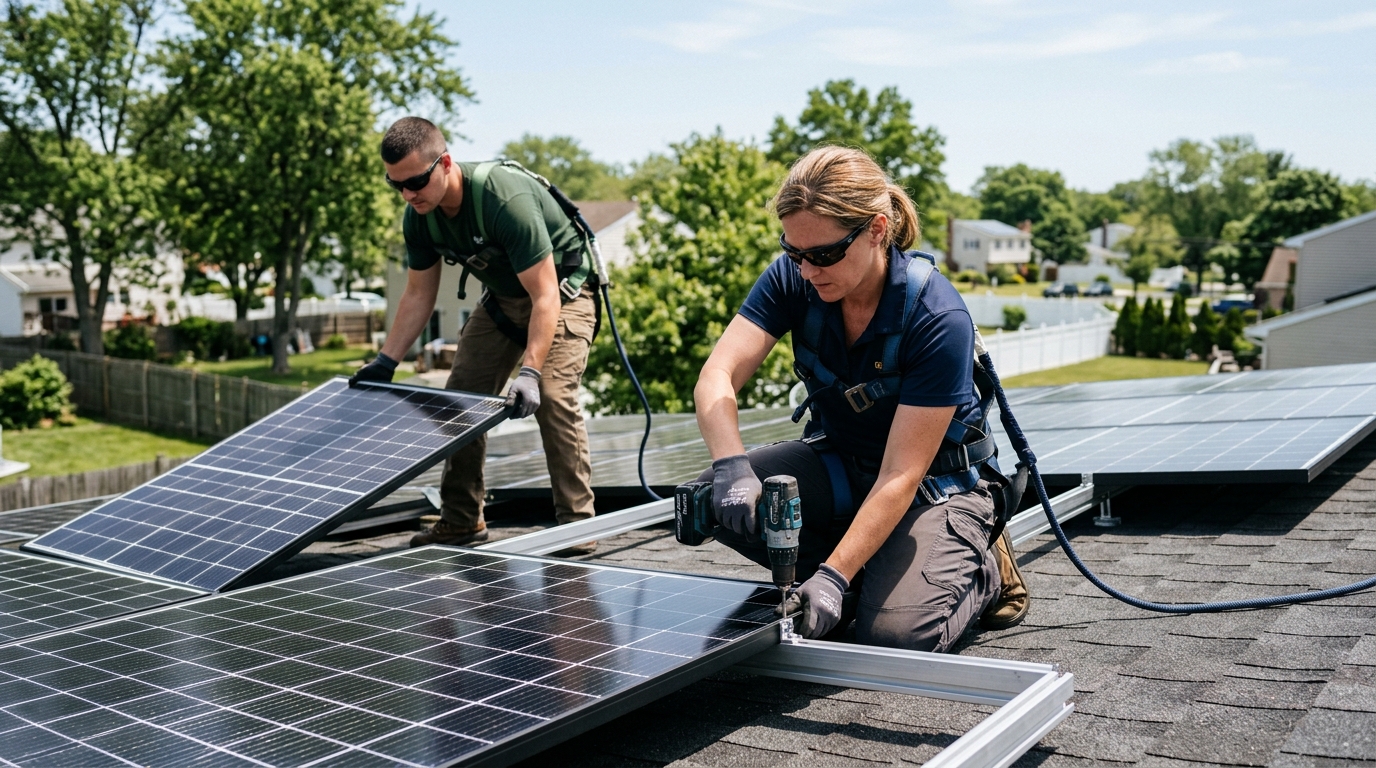
Rising utility bills and shrinking incentives have New Jersey homeowners wondering if solar still makes financial sense heading into 2026. It does, but the rules have changed. Between updated SREC-II rates, evolving permit requirements, and a crowded field of installers, choosing the right path for solar panel installation nj homeowners can trust requires more than a single sales pitch. This guide breaks down exactly what you need to know before you sign a contract.
What to Know Before Solar Panel Installation NJ Homeowners Should Plan For
Why home efficiency should come before panel sizing
New Jersey doesn’t get Arizona sunshine. It doesn’t need to. Modern panels still produce strong output here, and the state’s incentive structure makes up for a cloudier sky. The bigger issue isn’t sunlight — it’s what your roof and your habits are doing before a single panel goes up. Roof age matters a lot. If you’re due for a replacement in the next five to ten years, that’s a conversation to have before, not after, installation. Orientation and shading from mature trees or neighboring structures can also make or break a quote.
Sizing a solar system off your current electric bill is a common mistake. If your home is leaking energy through poor insulation, old windows, or an ancient water heater, you’ll end up paying to generate power that just leaks back out. That’s why efficiency first is the smarter order of operations — it’s worth understanding whether are solar panels worth it for your specific usage pattern before locking in a system size.
An energy audit is the honest starting point here. It flags where attic insulation is thin, where air is escaping around doors, and whether appliances are quietly running up your bill. Fixing those first — sometimes through simple caulking or weatherstripping — can shrink your energy needs enough to change the whole math on system size. Skip that step, and you might overpay for panels sized to a problem you could’ve solved for a few hundred dollars.
Signs your home isn’t ready for solar yet
Some homes just aren’t good candidates yet, and that’s fine to admit. A roof with under ten years of life left, heavy shading most of the day, or a north-facing pitch with no viable side option are all red flags worth addressing before you request quotes. So is a home with unresolved gas leak issues — professional gas leak repair should always come before electrical or structural work, full stop.
Old appliances are another quiet dealbreaker. A 20-year-old boiler or an inefficient dishwasher can inflate your usage numbers enough to skew system sizing, leading you to buy more panels than you actually need. The same goes for outdated lighting — swapping in LED light bulb replacement across the house is a cheap fix that measurably lowers baseline consumption before you ever talk to an installer.
Small stuff adds up too. Leaky faucets, drafty outlets, minor light home repair items — none of these seem urgent, but ignored together they inflate your energy footprint. Even something as small as showerhead and aerator replacement trims utility costs in ways that matter when you’re calculating payback period. If you’re unsure where your home stands, reviewing our services style checklist of efficiency upgrades is a reasonable way to gauge readiness, and pairing that with the latest NJ Solar Incentives can clarify whether now’s actually the right time.
Understanding Solar Costs and Incentives in New Jersey
Breaking down upfront costs vs long-term savings
Most New Jersey homeowners pay somewhere between $2.60 and $3.50 per watt before any incentives kick in. A typical 8-10 kW system, the size that covers an average household’s usage, runs roughly $21,000 to $35,000 gross. That’s a big number. But it’s rarely what people actually pay once credits and rebates get applied.
The federal solar tax credit covers 30% of your total system cost, no cap, and it applies whether you’re financing or paying cash. It’s a credit against taxes owed, not a rebate check, so timing your installation with your tax filing matters. Reviewing Solar Panels in New Jersey pricing trends can help you sanity-check quotes before you sign anything.
State incentives that offset the price
New Jersey stacks its own perks on top of the federal credit, and they’re genuinely worth understanding before you commit to a system size or a financing plan.
| Incentive | What It Does | Approximate Value |
|---|---|---|
| Federal Solar Tax Credit | 30% credit on total install cost | $6,300–$10,500 on average system |
| SuSI Program (TREC) | Fixed payment per megawatt-hour produced | ~$85–$90 per MWh, paid over 15 years |
| Sales Tax Exemption | Waives NJ 6.625% sales tax on equipment | Saves $1,400–$2,300 upfront |
| Property Tax Exemption | Added home value isn’t taxed | Varies by assessed value increase |
The SuSI program replaced the old SREC market, paying homeowners for the clean energy their system generates through Transition Renewable Energy Certificates rather than selling credits on an open exchange. Financing shapes your savings, too: cash purchases maximize long-term return, solar loans keep upfront costs low while you still claim the tax credit, and leases or power purchase agreements shift ownership (and most incentives) to a third party in exchange for lower monthly bills. Given average NJ electricity rates near 18 cents per kWh, most owned systems pay for themselves in 7 to 9 years. Pairing panels with basics like attic insulation or LED bulb swaps shortens that payback further, and tracking solar energy maintenance costs keeps your long-term math honest.
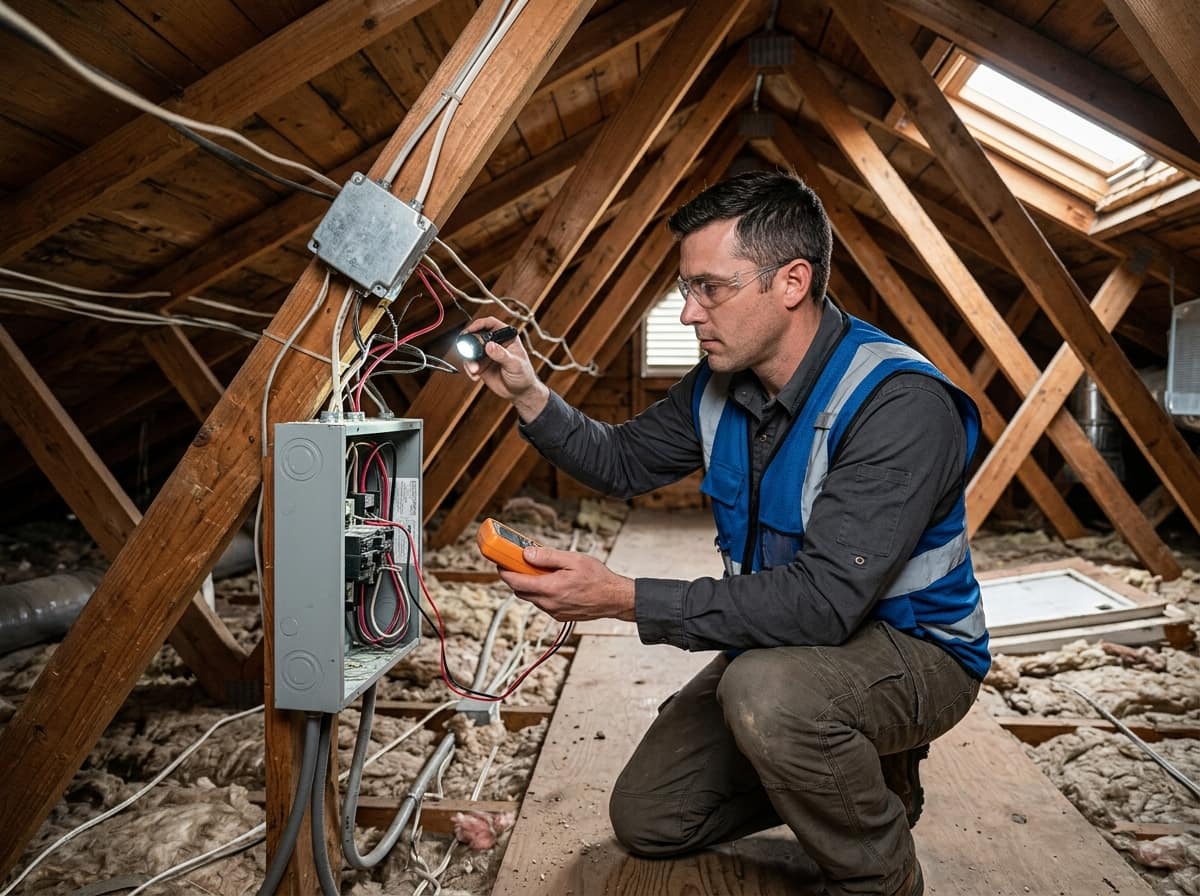
Comparing Solar Ownership Models: Buy, Loan, or Subscription
How you pay for solar shapes almost everything else: your savings, your tax breaks, even how easy your house is to sell later. There’s no single right answer here. It depends on your cash position, your credit, and how long you plan to stay put.
Pros and cons of each payment structure
Full ownership — whether you pay cash or finance through a loan — is what unlocks the biggest long-term payoff. You keep the federal solar tax credit, any state incentive value, and the full bump in resale price appraisers typically credit to owned systems. Subscriptions and leases, on the other hand, hand those benefits to a third party. You get lower upfront cost, but you’re renting the equipment, not building equity in it.
The table below breaks down the basics side by side.
| Model | Upfront Cost | Owns Incentives? | Resale Impact | Typical Term |
|---|---|---|---|---|
| Cash Purchase | High ($15K–$30K+) | Yes | Positive | N/A |
| Solar Loan | Low to none | Yes | Positive | 10–20 years |
| Lease | Low to none | No | Neutral/Negative | 20–25 years |
| Power Purchase Agreement | None | No | Neutral/Negative | 20–25 years |
A solar loan is the middle ground most homeowners land on. You spread the cost over monthly payments, similar to financing a car, but you still legally own the panels — so the tax credit and incentive eligibility stay with you. Rates and terms vary a lot between lenders, so comparing at least three quotes matters, the same way you’d shop around before scheduling attic insulation or a boiler replacement.
Leases and subscription plans (sometimes called power purchase agreements, or PPAs) sound appealing because there’s little or no money down. The catch: the leasing company keeps the incentives, and buyers eyeing your house later may balk at taking over someone else’s contract. Some mortgage lenders even flag transferable leases as a complication during appraisal. If low upfront cost is the deciding factor, understanding how solar financing options compare before signing is worth the extra hour it takes.
Adding battery storage is its own decision, separate from ownership structure. Batteries like the Tesla Powerwall or Enphase IQ Battery keep essentials running during a grid outage — useful in New Jersey, where storms take down power for days at a time. They add $10,000–$20,000 to a project, though, so weigh that against how often your area actually loses power. For most homes, pairing batteries with routine solar panel maintenance contractors visits keeps both systems running at expected output.
Whichever model you choose, read the fine print on escalator clauses — some lease payments increase yearly. That detail alone can flip a “cheap” plan into an expensive one over two decades.
How to Choose a Solar Installer
Picking an installer matters more than picking a panel brand. Solar systems last 25 years or more, so you’re not just buying equipment — you’re picking a company you’ll need to trust for decades. A cheap quote today means nothing if the installer’s gone in three years. That’s the reality: plenty of solar companies opened during the incentive boom and closed just as fast.
Before signing anything, work through a short checklist. It’ll save you headaches later.
- Verify the contractor holds an active New Jersey home improvement contractor license and carries liability insurance, and ask to see proof rather than taking their word for it.
- Look for NABCEP certification among the installation crew, since it signals formal training in system design and electrical safety, not just sales experience.
- Ask directly whether the crew on your roof will be in-house employees or subcontractors, because accountability gets murky fast when work is farmed out.
- Compare warranty terms line by line — panel performance warranties, inverter warranties, and separate workmanship warranties covering leaks or mounting issues all differ in length and what they actually cover.
- Check equipment tiers instead of chasing the lowest price per watt; a budget panel and a premium one can look identical on paper but perform very differently after year ten.
- Read verified reviews and ask for two or three local references you can actually call, since a company’s confidence in its own work usually shows in how easily they hand these over.
Experience with New Jersey’s permitting rules and utility interconnection process is worth confirming too — delays here are common, and an installer who’s done it hundreds of times moves faster than one still learning. If a system underperforms or needs service down the road, it also helps to know what best solar panel repair companies typically look for during a diagnostic visit. And while you’re vetting solar quotes, don’t ignore the basics — attic insulation and weatherstripping often cut energy waste for a fraction of the cost.
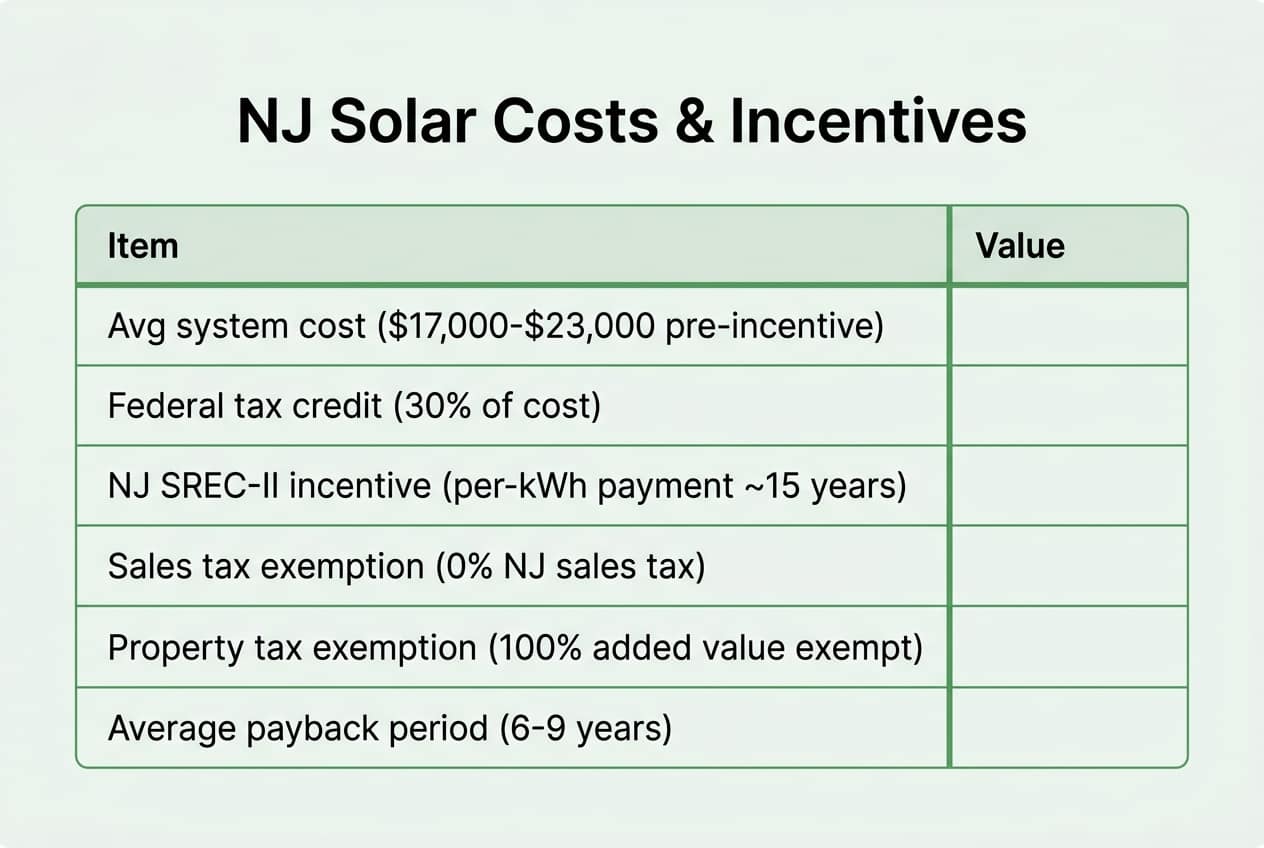
The Solar Installation Process from Audit to Activation
What happens during the energy audit stage
Going solar starts with numbers, not panels. A proper energy audit looks at twelve months of utility bills, your household habits, and where your home is wasting power before anyone talks about equipment. Fixing waste first matters. There’s little point sizing a solar array around a leaky attic or an ancient water heater, since those projects to improve energy efficiency can shrink your usage enough to change what size system you actually need.
From there, an installer moves to the physical site. This stage is hands-on and specific:
- A roof inspection checks age, material, structural condition, and whether the roof can support panel weight for another 20-plus years.
- A shading analysis using tools like a solar pathfinder or drone imagery maps sun exposure across seasons, not just a single afternoon.
- Custom system design matches panel count, wattage, and inverter type (string versus microinverters) to your roof’s angle and your actual usage.
- Equipment selection weighs panel efficiency ratings against budget, since premium panels aren’t always worth the price on every roof.
- Smaller fixes often get bundled in here too, like attic insulation or caulking and weatherstripping around rooflines to cut heat loss before flipping the switch.
Permitting and inspection timeline expectations
Paperwork is the slow part. Expect a stretch of four to eight weeks for permitting, HOA approval where it applies, and utility interconnection filings before a single panel goes up. Installation day itself usually takes one to three days. After that, a local inspector signs off on the electrical work, and only then does the utility grant permission to operate. Checking Solar and Renewable Energy for Residential Customers – PSEG helps clarify what your utility requires for net metering setup. Once approved, your meter gets swapped or reprogrammed, and the system activates. Simple as that, finally.
Net Metering and Ongoing Solar Performance in New Jersey
How credits offset winter usage
Net metering is the mechanism that makes solar math work year-round. When your panels produce more electricity than your home uses, that surplus flows back to the grid and your utility credits your account at the retail rate. Those credits carry forward. So the surge you generate in June effectively pays down the bill you’ll rack up in January, when short days and long nights mean panels just can’t keep up. Banking summer surplus is what makes solar viable in a state with real seasons.
That said, the rules aren’t frozen in place. New Jersey’s Board of Public Utilities has periodically revisited compensation structures, billing cycles, and how credits reconcile at year’s end, and the state’s push toward a Successor Solar Incentive framework has already reshaped how new systems get compensated compared to older ones. It’s worth checking the Clean Energy | Solar – NJDEP program updates before signing a contract, since terms in effect at installation typically lock in for your system’s life. Don’t assume your neighbor’s deal from three years ago still applies today. It probably doesn’t.
One nuance homeowners miss: annual “true-up” periods. Most utilities settle unused credits once a year rather than paying you out monthly, so a big December bill isn’t necessarily a red flag — it might just be timing.
Seasonal production variation and realistic annual output expectations
A properly sized New Jersey system typically produces 20 to 30 percent less energy in December and January than in peak summer months. That’s normal, not a malfunction. Annual output estimates from your installer should already account for this swing, factoring in average sun hours, panel tilt, and shading across all twelve months rather than just the sunny ones.
Realistic expectations matter here. A well-designed 8kW system in northern New Jersey might generate somewhere around 9,000 to 10,500 kilowatt-hours annually, but that number assumes clean panels, an unshaded roof, and no equipment hiccups. Trees grow, dust accumulates, and snow lingers longer than you’d think on a 30-degree pitch. Building in a buffer against the best-case projection keeps you from feeling let down every February.
Monitoring tools to track system performance and catch issues early
Most installers include a monitoring app, whether it’s Enphase Enlighten, SolarEdge, or a similar platform tied to your inverter brand. These tools show production in near real time, broken down by panel or by string, which makes it easy to spot when one section underperforms. A sudden 15 percent drop that isn’t weather-related usually means something’s wrong, not that you’re imagining things.
Checking the app monthly is enough for most homeowners. Anyone who’s dealt with drafty windows knows that small, unnoticed leaks compound over time, and the same logic applies here — an underperforming string caught early is a quick fix, not a wasted season.
Maintenance needs: cleaning, inverter checks, and warranty claims
Solar panels are low-maintenance, not no-maintenance. Rain handles most debris, but pollen season and prolonged dry spells can leave a film that measurably cuts output. A rinse with a garden hose once or twice a year usually does the trick; avoid pressure washers, which can crack seals. Inverters deserve occasional attention too, since they’re the component most likely to need replacement within the panels’ 25-year lifespan, typically lasting 10 to 15 years themselves.
Keep your warranty paperwork somewhere you can actually find it. Manufacturer defects, premature degradation, and workmanship issues are usually covered, but claims move faster when you’ve documented performance drops through your monitoring app. If you’re evaluating providers or troubleshooting an existing system, searching solar panel service near me pine brook connects you with technicians familiar with local permitting and utility interconnection quirks. And while you’re addressing the roof, it’s a smart time to check attic insulation and weatherstripping too — a tighter building envelope means your solar investment offsets less waste and more genuine need.

Reducing Energy Costs Beyond Solar Panel Installation NJ Programs
Combining insulation and appliance upgrades with solar
Solar panels only need to cover the energy you actually use. So the smartest move before installation is shrinking that number first. Attic insulation and air sealing stop heat from escaping through the roof in winter and pouring in during summer, which means a smaller, cheaper solar system can do the same job. Skip this step and you’re often oversizing your array to compensate for a leaky house.
Caulking and weatherstripping handle the smaller gaps — around windows, doors, and baseboards — that add up to real draft losses. It’s not glamorous work, but it’s cheap and fast, and the payoff shows up on your very next bill. LED light bulb replacement and low-flow showerheads or aerators trim your baseline electric and water use too, so your solar production stretches further across the rest of your home’s needs.
Aging appliances, boilers, and water heaters are often the biggest hidden drain. Replacing a 15-year-old boiler or an inefficient water heater can meaningfully lower your overall consumption, sometimes by double digits, before a single solar panel goes on the roof. And don’t overlook safety: gas leak testing and gas leak repair should happen alongside any efficiency work, since a leaking line undermines both safety and performance no matter how efficient the rest of the house is.
Who qualifies for free efficiency services in NJ
New Jersey’s Comfort Partners Program offers free efficiency upgrades to income-eligible households — think insulation, appliance replacement, and light home repairs, at no cost. Eligibility is generally based on household size and income relative to federal guidelines, and many renters qualify too, not just homeowners. It’s worth checking before you assume you don’t qualify.
Pairing this kind of program with solar planning just makes sense. If you’re eligible, you get the efficiency work done free, then size your solar system around a home that’s already been tightened up. Homeowners researching this path often compare notes online, and threads like For those of you who have switched to solar in NJ, are … offer honest, unfiltered accounts worth reading before you commit. Between free upgrades and a right-sized solar array, it’s one of the more overlooked ways to cut long-term costs in the state.
Frequently Asked Questions About Going Solar in New Jersey
Let’s tackle the questions homeowners actually ask, not the ones brochures answer. New Jersey isn’t Arizona, but it doesn’t need to be. Solar production here relies on total annual sunlight hours, not constant blue skies, and the state’s strong electric rates mean every kilowatt-hour you generate offsets a real cost. Solar is worth it for most NJ homeowners who plan to stay put for at least five to seven years.
Cost, financing, and resale questions tend to follow a pattern, so here’s a rundown of what typically comes up:
- A typical residential system after federal tax credits and state incentives often lands in the $12,000 to $18,000 range, depending on roof size and energy use.
- Many lenders now offer combined financing that bundles solar with efficiency work like attic insulation or appliance upgrades into one monthly payment.
- Homes with solar generally sell faster and for more, since buyers see it as prepaid electricity rather than a gamble.
- Full timelines from initial audit to system activation usually run eight to fourteen weeks, factoring in utility approval and permitting delays.
- Pairing solar with weatherstripping and caulking around doors and windows shrinks the system size you actually need.
Before signing anything, it’s smart to compare providers directly, and reviewing a Best Solar Companies in New Jersey: 2026 Trusted Local … list gives you a useful benchmark for pricing and reputation. You can also learn more about us and how energy audits fit into the bigger efficiency picture before solar even enters the conversation.
Before you commit to a bid, it’s worth sitting with a few questions: how much of the discomfort you’re feeling actually traces back to the ductwork, and how much to a drafty attic hatch, unsealed rim of a window frame, or insulation that settled years ago? A duct sealing or cleaning specialist can measure leakage in the system itself and tell you what that portion is costing you, and that’s a genuinely useful number to have — just know it sits alongside, not instead of, the envelope work like caulking, weatherstripping, and attic insulation that keeps conditioned air from slipping out of the house entirely. Getting clear on which side of that line your losses fall on tends to make every quote that follows easier to read.
