



You’re tired of vague online estimates that don’t match what New Jersey homeowners actually pay. Between shifting incentives, panel quality, and installation fees, pinning down real solar panel cost new jersey figures for 2026 feels harder than it should be. It doesn’t have to be. This guide breaks down the numbers so you can budget with confidence.
Solar panel cost New Jersey homeowners can expect in 2026
Let’s talk real numbers. Most homeowners looking at a residential setup should expect an average gross cost, before any incentives, of roughly $15,000 to $25,000. That’s a wide range. It’s wide for a reason: system size, panel brand, and installer overhead all move the needle. Price per watt in New Jersey generally lands between $2.50 and $3.50, depending on the equipment tier and who’s doing the install. Premium panels like SunPower or LG push costs toward the top of that range. Value brands such as Silfab or Canadian Solar sit closer to the bottom.
Average cost by system size (5kW, 8kW, 10kW)
System size depends on your household’s electricity usage and your roof’s characteristics — orientation, shading, and available square footage all factor in. A smaller home with modest usage might only need 5kW. A larger household running central AC and electric appliances could need 10kW or more. Here’s a rough breakdown:
| System size | Estimated gross cost | Typical households served |
|---|---|---|
| 5kW | $13,000–$17,500 | Small homes, low usage |
| 8kW | $20,000–$28,000 | Mid-size homes, average usage |
| 10kW | $25,000–$35,000 | Larger homes, high usage |
After the federal tax credit and New Jersey’s state-level incentives, net cost often drops significantly — sometimes by a third or more. Whether that math actually pencils out for your specific home is a fair question. It’s worth answering honestly before signing anything; are solar panels worth it is the exact question to dig into first.
What drives price differences between installers
Not all quotes are created equal. Regional labor and permitting costs in New Jersey run a bit higher than national averages, thanks to denser regulations and township-by-township permitting quirks. Installer overhead, warranty length, and financing terms also shift the bottom line. Some installers bundle in extras like attic insulation or electrical upgrades; others quote bare-bones. It pays to compare apples to apples. Researching New Jersey Solar Panels: 2026 Installations, Prices, and … gives a useful benchmark before you sit through a sales pitch. Cheap quotes aren’t always a bargain. Check what’s actually included.
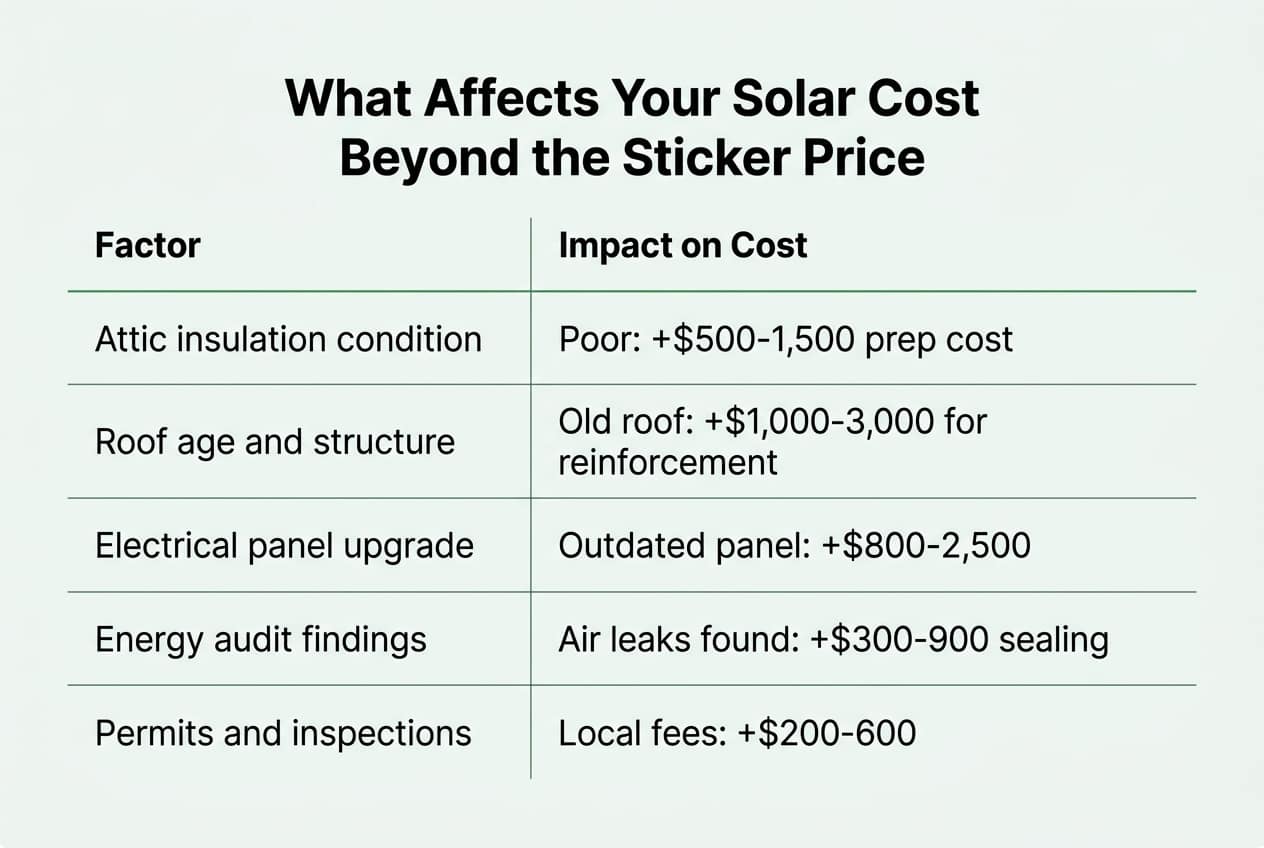
What affects your final price beyond the sticker cost
How your energy usage shapes system sizing
Your electric bill is the starting point for everything. A household running 900 kWh a month needs a bigger system than one using 600, and that gap can mean thousands of dollars in equipment alone. Before you get quotes, pull twelve months of utility bills. Seasonal swings from air conditioning or electric heat matter a lot in New Jersey. An undersized system just means you’re still writing checks to the utility every winter.
Installers size systems around your annual usage, not just one bill. If you’re planning an EV purchase or a pool pump next year, say so now. Retrofitting for extra capacity later costs more than building it in upfront. If you’re unsure how sizing works or want a broader breakdown of pricing factors, a solar panel installation nj guide walks through the calculations installers actually use.
Panel type: monocrystalline vs polycrystalline vs solar shingles
Monocrystalline panels dominate residential installs right now. They’re more efficient per square foot, which matters on smaller New Jersey roofs, but they cost more upfront — typically 10-20% above polycrystalline options. Polycrystalline panels are cheaper but less efficient, so you’d need more of them to hit the same output. For a roof with limited usable space, that trade-off often isn’t worth it.
Solar shingles, like Tesla’s product, blend into the roofline and appeal to homeowners worried about curb appeal or HOA pushback. They cost significantly more per watt, though. For most homeowners, standard panels remain the better value. Shingles make sense mainly for new roofs or strict aesthetic rules.
Installation complexity: roof pitch, shading, electrical panel upgrades
A steep roof, a chimney casting shadows, or an outdated electrical panel — any one of these adds cost fast. Older homes, common throughout Essex and Morris counties, often need a panel upgrade to handle solar’s added load, which can run $1,500 to $3,000 extra. Shading from mature trees sometimes forces installers to add microinverters instead of a cheaper string inverter setup.
Roof condition matters too. If yours needs replacing within five years, do it before panels go on, not after. Some homeowners bundle in attic insulation upgrades at the same time, since the roof deck’s exposed anyway and it improves year-round efficiency.
Installer experience and warranty coverage affecting long-term value
Cheapest quote isn’t always cheapest over 25 years. A seasoned installer catches roof issues, wiring quirks, and permitting snags a newer crew might miss, and that experience shows up in fewer callbacks later. Warranty length matters just as much as price. Look for at least 10 years on workmanship and 25 on panel performance, and confirm who’s actually financially backing that promise.
Cross-reference an installer’s licensing and track record before signing anything; a detailed comparison of New Jersey Solar Panel Cost: 2026 Expert Guide breaks down typical price ranges by installer type and helps you spot outliers. Honestly, if a quote seems way below everyone else’s, ask why. There’s usually a reason.
Financing method (cash, loan, lease) changes effective cost over time
Paying cash gets you the lowest total cost and full ownership of every incentive. It’s also a big upfront hit — often $18,000 to $30,000 before rebates. Solar loans spread that out but add interest, sometimes 5-8%, which stretches your break-even point out by a few years.
Leases and power purchase agreements need zero money down, which sounds great until you realize you won’t own the system or qualify for tax credits. Read the fine print on escalator clauses; some leases raise your payment 2-3% annually. For background on how financing choices connect to overall project planning, the about us page outlines the broader approach behind evaluating these options for homeowners.
New Jersey solar incentives and rebates that lower your cost
Federal tax credit eligibility and claiming steps
Let’s start with the biggest lever you’ve got: the federal solar Investment Tax Credit. It knocks 30% off your total system cost, straight off your federal tax bill, not just a deduction buried in your taxable income. That includes panels, inverters, wiring, and even labor. There’s no cap on the amount for residential systems, which matters if you’re going big.
Claiming it isn’t complicated, but you do need to be organized about it. You’ll file IRS Form 5695 with your federal return for the year the system was installed and turned on, not the year you signed the contract. Keep every invoice and receipt. If your tax liability that year is smaller than the credit, the leftover rolls forward to next year. Homeowners researching Solar Panels in New Jersey often assume the credit applies automatically. It doesn’t. You have to claim it, and it only helps if you owe federal taxes in the first place.
How SREC-II and net metering work together
New Jersey layers state incentives on top of the federal credit, and this is where things get genuinely lucrative. The Successor Solar Incentive (SuSI) program replaced the old SREC market with SREC-II, which pays you a fixed rate for every megawatt-hour your system produces, currently locked in for 15 years. It’s predictable income, not a fluctuating market price, which makes budgeting a lot easier.
Net metering is the other half of the equation, and the two work together rather than competing for your attention.
- Net metering credits any excess electricity your panels send back to the grid, offsetting future utility bills dollar for dollar rather than paying you cash outright.
- SREC-II payments are separate from those credits, so you’re essentially earning twice: once through avoided electricity costs and again through production-based incentive payments.
- New Jersey exempts solar equipment purchases from the state’s sales tax, saving homeowners roughly 6.625% on hardware costs right at purchase.
- A property tax exemption ensures the added home value from a solar installation doesn’t trigger a higher tax assessment, which is rare and worth knowing about.
- Combining insulation upgrades, like attic insulation or caulking and weatherstripping, with solar can shrink the system size you need in the first place, lowering upfront costs.
Bundling matters more than people think. Reviewing broader projects to improve energy efficiency before sizing your system can prevent you from overbuying panels to compensate for a leaky, drafty house.

Is going solar worth it for your New Jersey home in 2026
Estimating your break-even timeline
Most New Jersey homeowners break even somewhere between six and nine years, depending on system size, roof orientation, and how much power they use. With average residential electricity rates in the state running well above the national mark, the math tends to favor solar more here than in cheaper-electricity states. A well-sized system covering most of a household’s usage can knock out a big chunk of a monthly bill immediately, not just eventually. If you want a deeper dive into how these numbers get calculated, Solar Panel Cost in New Jersey for 2026 (Expert Reviewed) breaks down real regional pricing scenarios worth comparing against your own quotes.
Once you hit that break-even point, everything after is savings — often 15 to 20 more years of essentially free electricity, minus minor maintenance. That’s the real payoff. Compare that long horizon to the upfront cost, and solar starts looking less like a purchase and more like a prepayment on decades of lower bills.
Long-term utility savings versus upfront investment
Sticker shock is real, but it’s only half the story. Over 25 years, a typical NJ solar array can save a homeowner tens of thousands of dollars, especially as utility rates keep climbing. That’s the trade-off: pay more now, pay far less later. Financing options and incentives soften the initial hit considerably, which is why more homeowners treat solar as a long-term utility hedge rather than a big one-time expense.
Home resale value impact of solar installations
Owned solar systems generally boost resale value, and buyers increasingly expect lower energy costs as a selling point. It won’t fix a home with other issues. But paired with basics like attic insulation and updated appliances, it signals a well-maintained, efficient property. Leased systems are trickier and can occasionally complicate a sale.
Energy independence benefits during rate hikes or outages
Solar paired with battery storage offers real peace of mind when rates spike or storms knock out power. You’re less exposed to utility price swings, and outages become less disruptive. It’s not full independence, but it’s a meaningful buffer.
When solar may not be the right fit (shading, roof age, short-term ownership)
Heavy tree shading, an aging roof needing replacement soon, or plans to move within a few years can all tank the return on investment. If your roof needs work, fix that first. Anyone weighing these variables against local installation realities should look into solar panel service near me pine brook options before committing to a system size or financing plan.
Comparing solar to other home energy upgrades
Why an energy audit should come before solar quotes
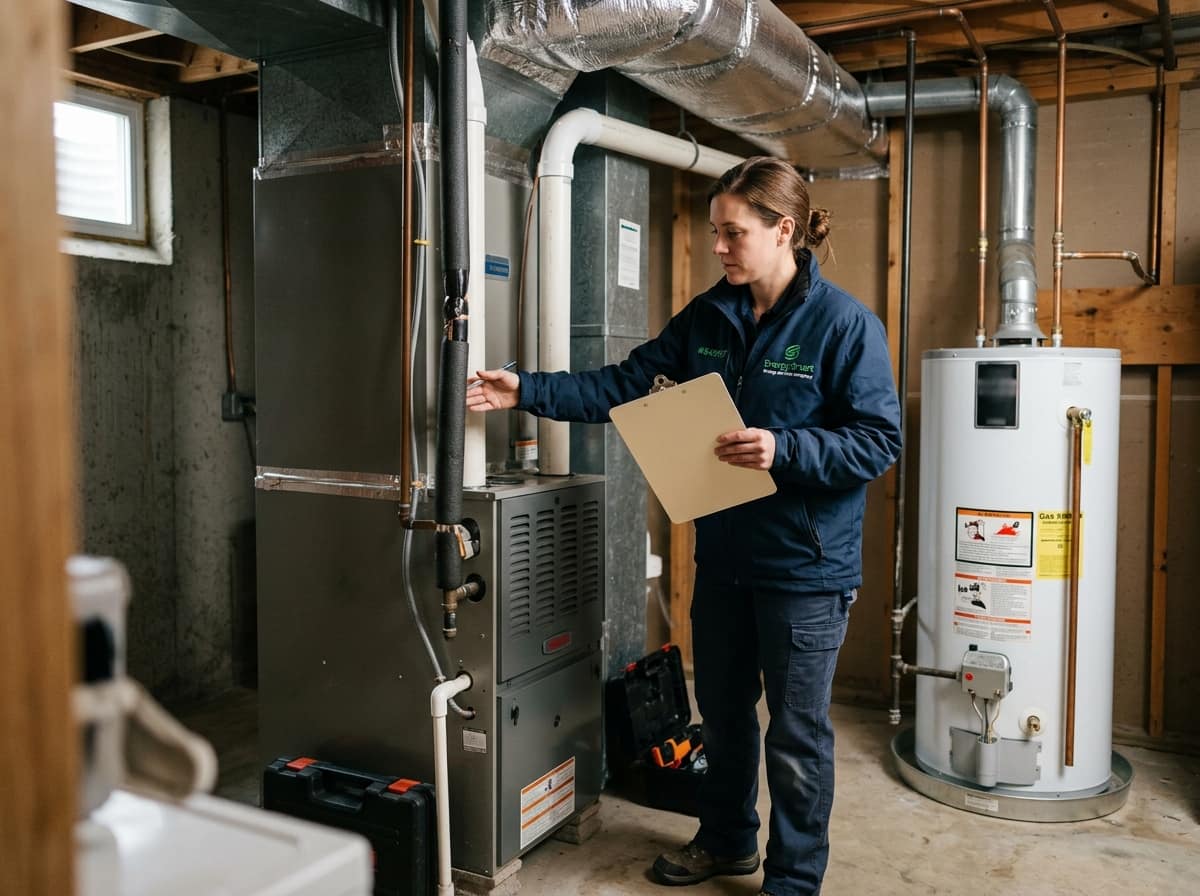
Solar panels generate electricity. That’s it. They don’t fix a leaky attic, a gasping old furnace, or windows that whistle in January. If your home wastes energy, you’ll just end up building a bigger, pricier system to cover the waste. An audit measures where your house actually loses energy first, so any solar quote reflects real, reduced usage rather than inflated bills padded by inefficiency.
Skipping that step is a common, expensive mistake. Installers size systems off your last twelve months of utility bills — if those bills are artificially high because of drafts or an ancient water heater, you’ll pay for panels you don’t need. Reviewing energy saving tips for summer months alone can shift usage patterns enough to change the math.
Pairing insulation and efficiency upgrades with renewable energy
Some upgrades matter more before solar goes on the roof than after. Here’s a rough sense of where each one fits in the sequence:
| Upgrade | Typical cost range | Effect on solar sizing |
|---|---|---|
| Attic insulation | $1,500–$4,000 | Reduces heating/cooling load 10–20% |
| Caulking & weatherstripping | $150–$600 | Cuts drafts, modest but real savings |
| Water heater replacement | $1,200–$3,500 | Lowers baseline daily electric/gas demand |
| LED bulb replacement | $50–$300 | Small but steady reduction in daytime load |
| Solar panel system | $15,000–$30,000+ | Sized to remaining, reduced demand |
Order matters here. Tackle the cheaper items first, and your solar quote shrinks along with your bills. Appliance and water heater upgrades trim baseline demand around the clock, not just during peak sun hours, which changes how many panels actually make sense. Many local businesses now bundle these smaller jobs — showerhead and aerator swaps, light home repair, gas leak checks — into one visit before recommending solar at all. If you qualify for income-eligible efficiency programs, that’s essentially free groundwork before you spend a dollar on panels. Worth checking your eligibility before requesting any solar bids; you can browse background on blog posts covering program details, and cross-reference state guidance through Clean Energy | Solar – NJDEP before finalizing anything.
Steps to plan a solar installation without overspending
Planning well beats scrambling later. Before you ever talk to an installer, get a clear picture of how your home actually uses energy. That means starting with an audit, not a sales pitch. A trained technician can flag drafty windows, a leaky duct, or an old furnace dragging down efficiency — all things that inflate the system size you’d otherwise “need.”
Questions to ask before signing a solar contract
Contracts are where good intentions get expensive. Before you sign anything, run through a short checklist so you’re comparing apples to apples and not just chasing the lowest number on a flyer. Homeowners who skip this step often end up with an oversized system, a shaky warranty, or an installer who’s never pulled a permit in your town.
- Start with a home energy audit to identify usage patterns and inefficiencies before anyone talks system size or panel count with you.
- Get multiple quotes and compare per-watt pricing, equipment brands, and warranty terms side by side, not just the bottom-line total.
- Verify installer credentials, state licensing, and actual local NJ project experience — ask for addresses of nearby installs if they hesitate.
- Confirm eligibility for federal, state, and utility incentives before signing, since some programs have caps or deadlines that affect timing.
- Address insulation, air leaks, and appliance efficiency first, so you’re not paying to power a house that’s leaking energy out the walls.
- Ask what happens to pricing if your usage drops after efficiency upgrades — a fair contract should allow for a right-sized system, not a locked-in oversell.
That last point matters more than people think. If your attic’s under-insulated or your appliances are decades old, you might be quoted a system bigger — and pricier — than you’ll actually need once those issues are fixed. Weatherstripping, caulking, LED swaps, and home appliance replacements can meaningfully lower your baseline usage. It’s worth checking real-world numbers too; threads like Solar cost in NJ : r/solar offer honest, unfiltered pricing chatter from homeowners who’ve already been through it. Do the homework first. Sign second.
Other ways New Jersey homeowners cut energy costs right now
Low-cost upgrades with fast payback
Solar is a long game. Not every fix has to be. Attic insulation and air sealing are the workhorses of home efficiency because they cut heating and cooling waste every single month of the year, not just during peak season. A poorly insulated attic can leak 25% or more of your home’s conditioned air straight through the roof. Add air sealing around penetrations and top plates, and you’re often looking at a payback period measured in a couple winters, not decades.
Boiler and water heater replacements matter too, especially in older New Jersey homes where units are pushing 15 to 20 years old. A new high-efficiency boiler can run at 90%+ AFUE compared to 65-70% for an aging cast-iron unit, which adds up fast on a monthly gas bill. Safety is part of this equation as well, since aging systems are more prone to leaks and inefficient combustion. That’s why gas leak testing, detection, and repair should never be treated as optional maintenance; they protect your home and stop wasted fuel from padding your bill.
Smaller upgrades deliver surprisingly fast returns. Swapping incandescent bulbs for LED lighting cuts lighting energy use by up to 75%, and low-flow showerheads and aerators can trim water heating costs without any noticeable drop in pressure. If you’re weighing whether solar makes sense for your home, reading independent research on New Jersey Solar Panel Costs: Is It Worth It? (2026) is a smart first step before committing to a bigger project.
Free efficiency programs for qualifying NJ households
Here’s something a lot of homeowners miss: you might not have to pay for any of this. The NJ Comfort Partners Program offers free energy efficiency upgrades to income-eligible households across the state, covering many of the same services described above. Qualifying homes can receive insulation, appliance replacements, and safety repairs at no cost. It’s one of the more underused resources in New Jersey’s energy landscape.
Eligibility is based on household income and size, and the application process typically starts with a home energy audit to identify what your house actually needs. From there, a provider can prioritize fixes, whether that’s sealing drafts, replacing an inefficient stove, or handling a gas line repair that’s been ignored too long. Small, unresolved issues around the house rarely stay small. That’s where light home repair and weatherstripping earn their keep, since fixing a drafty door frame or a cracked seal now prevents a bigger energy bill, or a bigger repair, later. In fact, browsing options for light home repair services can reveal quick fixes that homeowners often overlook entirely.
None of this replaces solar. But it’s worth doing first. A tighter, better-insulated home needs a smaller, cheaper solar system to cover its energy use, which changes your whole cost equation before you even request a quote.
Before committing to new ductwork or a sealing contract, it’s worth asking what share of your comfort problem actually lives in the ducts versus the building envelope around them — a question a whole-home energy assessment can answer more honestly than a quote written by whoever is holding the sealing equipment. If the ducts truly are the culprit, a qualified duct specialist is the right call; if the bigger losses are coming from an underinsulated attic, gaps around windows and doors, or unsealed penetrations, then caulking, weatherstripping, and attic insulation tend to deliver steadier returns for less money. Either way, knowing where your conditioned air is going is the part worth paying for first, because it’s the only thing that tells you which fix is yours.
