

At Northeast Energy Conservation Inc. our skilled professionals are here to help you improve your home’s energy efficiency and comfort. With years of experience and a commitment to quality, we ensure that every caulking job is done right the first time. Whether you’re dealing with drafts, leaks, or simply want to enhance the appearance of your home, our caulking services can provide the perfect solution. Trust us to seal your home effectively, saving you money on energy bills and keeping your living space cozy.
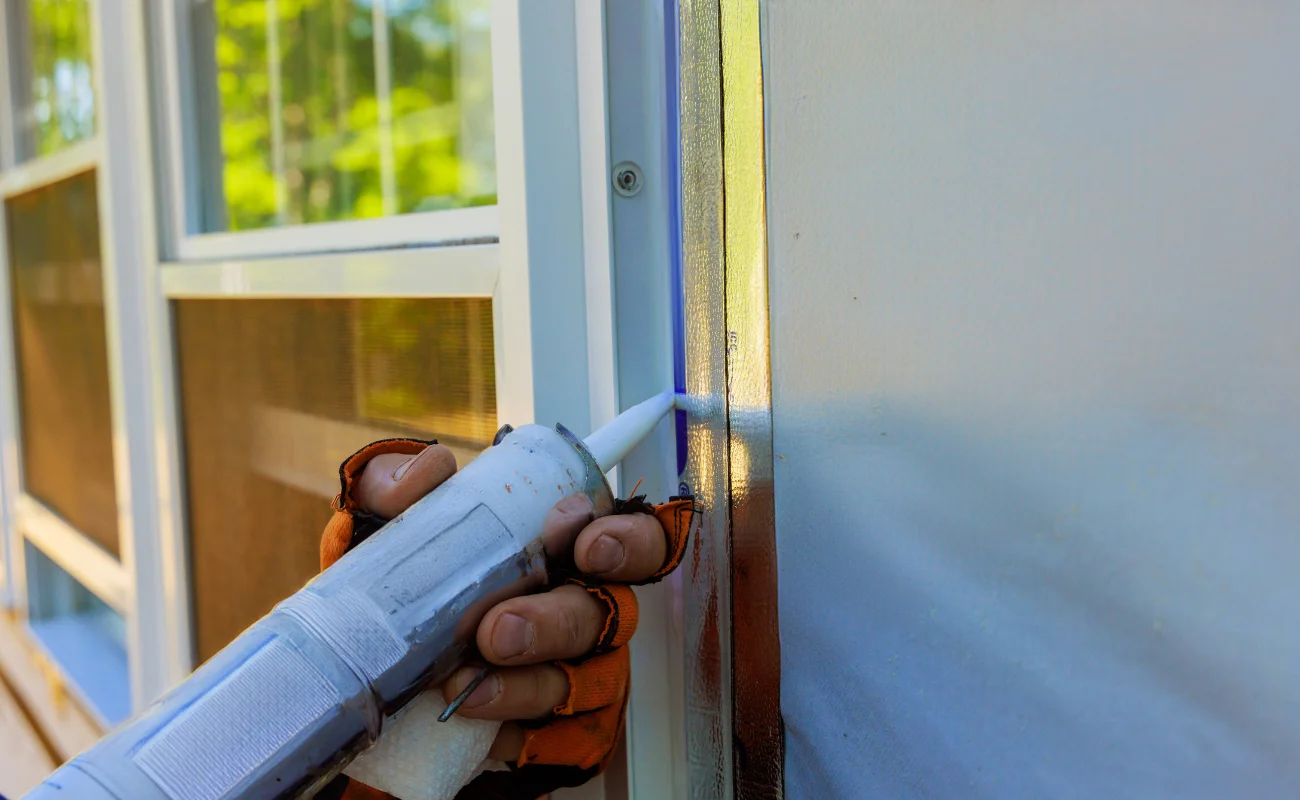
What is Caulk?
Caulk is a flexible material used to seal gaps, cracks, and joints in various structures. It is commonly applied to prevent air, water, and pests from entering or exiting a building. Caulking is essential for maintaining the integrity of your home’s insulation and ensuring that it remains energy-efficient. There are different types of caulks available, each designed for specific applications, including silicone, acrylic, and polyurethane caulks. Understanding the properties and uses of each type will help you choose the right caulk for your needs.
Benefits of Caulking
Enhanced Energy Efficiency
Sealing gaps with caulk reduces drafts and air leaks, leading to lower heating and cooling costs by keeping your home’s temperature stable.
Water Damage Prevention
Proper caulking prevents moisture from seeping into walls and floors, reducing the risk of mold growth and structural damage.
Pest Control
Caulking seals entry points that insects and rodents might use, helping to keep your home free from unwanted pests.
Improved Aesthetics
Caulking provides a clean, finished look to joints and seams, enhancing the overall appearance of your home’s interior and exterior.
Increased Durability
By sealing out water and air, caulking extends the life of your home's materials, such as wood and drywall, preventing decay and wear.
Structural Integrity
Proper caulking helps maintain the structural integrity of your home by preventing water infiltration that can weaken foundational elements.
Selecting Caulking
Choosing the right caulk for your project is crucial for achieving the best results. Factors to consider include the location of the application, the materials being sealed, and the desired level of flexibility and durability. For instance, silicone caulk is ideal for areas exposed to water, such as bathrooms and kitchens, due to its water-resistant properties. Acrylic caulk, on the other hand, is perfect for interior applications where paintability is important. Understanding these differences will help you select the most appropriate caulk for your specific needs.
Common Caulking Compounds
Silicone Caulk
Silicone caulk is excellent for sealing joints in bathrooms and kitchens due to its water resistance and flexibility. It forms a durable seal that adheres well to non-porous surfaces like glass, metal, and tile. This type of caulk is also suitable for exterior applications where exposure to moisture is a concern.Polyurethane Caulk
Polyurethane caulk is highly durable and flexible, making it ideal for sealing larger cracks and joints that experience movement. It adheres strongly to various building materials, including wood, metal, and masonry. This caulk is perfect for both indoor and outdoor applications, but it must be painted for UV protection when used outdoors.Acrylic Latex Caulk
Acrylic latex caulk is user-friendly and can be cleaned up with water, making it a popular choice for interior projects. It adheres well to porous surfaces and can be painted over once dry. This caulk is perfect for sealing gaps in trim, baseboards, and other areas where appearance is important.Butyl Rubber Caulk
Butyl rubber caulk is known for its excellent adhesion to dissimilar materials like glass, metal, plastic, wood, and concrete. It is highly durable and weather-resistant, making it ideal for outdoor applications such as sealing around windows, flashing, and roof seams. However, it may require two applications due to variable shrinkage.
Expandable Spray Foam
Expandable spray foam caulk is perfect for filling larger gaps and cracks. It expands to fill irregular spaces and provides excellent insulation properties. This type of caulk is versatile and can be used in both indoor and outdoor settings, but it must be painted for UV protection when used outside.
Water-Based Foam Sealant
Water-based foam sealant is ideal for smaller cracks and gaps around windows and door frames in new construction. It expands slightly to fill gaps and is easy to clean up with water. This eco-friendly option does not produce greenhouse gases during manufacturing and provides a reliable seal without over-expanding.
Signs You Need Caulking
- Drafts and Temperature Fluctuations
- Visible Cracks and Gaps
- Increased Energy Bills
- Water Damage and Mold
Applying Caulk
Proper application of caulk is essential for achieving a long-lasting seal. Start by cleaning the area thoroughly to remove any old caulk, dirt, and debris. Use a caulk gun to apply a steady bead of caulk along the joint or crack, ensuring even coverage. Smooth the caulk with a caulking tool or your finger to ensure it adheres well and fills the gap completely. Allow the caulk to cure according to the manufacturer’s instructions before exposing it to water or paint. Regular maintenance and reapplication of caulk as needed will keep your home well-sealed and energy-efficient.
By choosing Northeast Energy Conservation for your caulking needs, you’re investing in quality workmanship and long-term savings. Contact us today to schedule a consultation and discover how our caulking services can benefit your home.